
Total Shoulder Replacement in San Francisco
Mark A. Schrumpf, MD | Northern California's Orthopedic Surgeon
What is Total Shoulder Replacement?
The shoulder is one of the most mobile joints in the human body, allowing a remarkable range of motion for daily activities and sports. However, this flexibility also makes it prone to wear, degeneration, and injury over time. When pain and stiffness persist despite non-surgical treatments, a total shoulder replacement, also known as total shoulder arthroplasty, may be recommended. This procedure has significantly reduced pain, restored function, and improved overall quality of life for many patients.
Understanding the Shoulder's Complex Anatomy
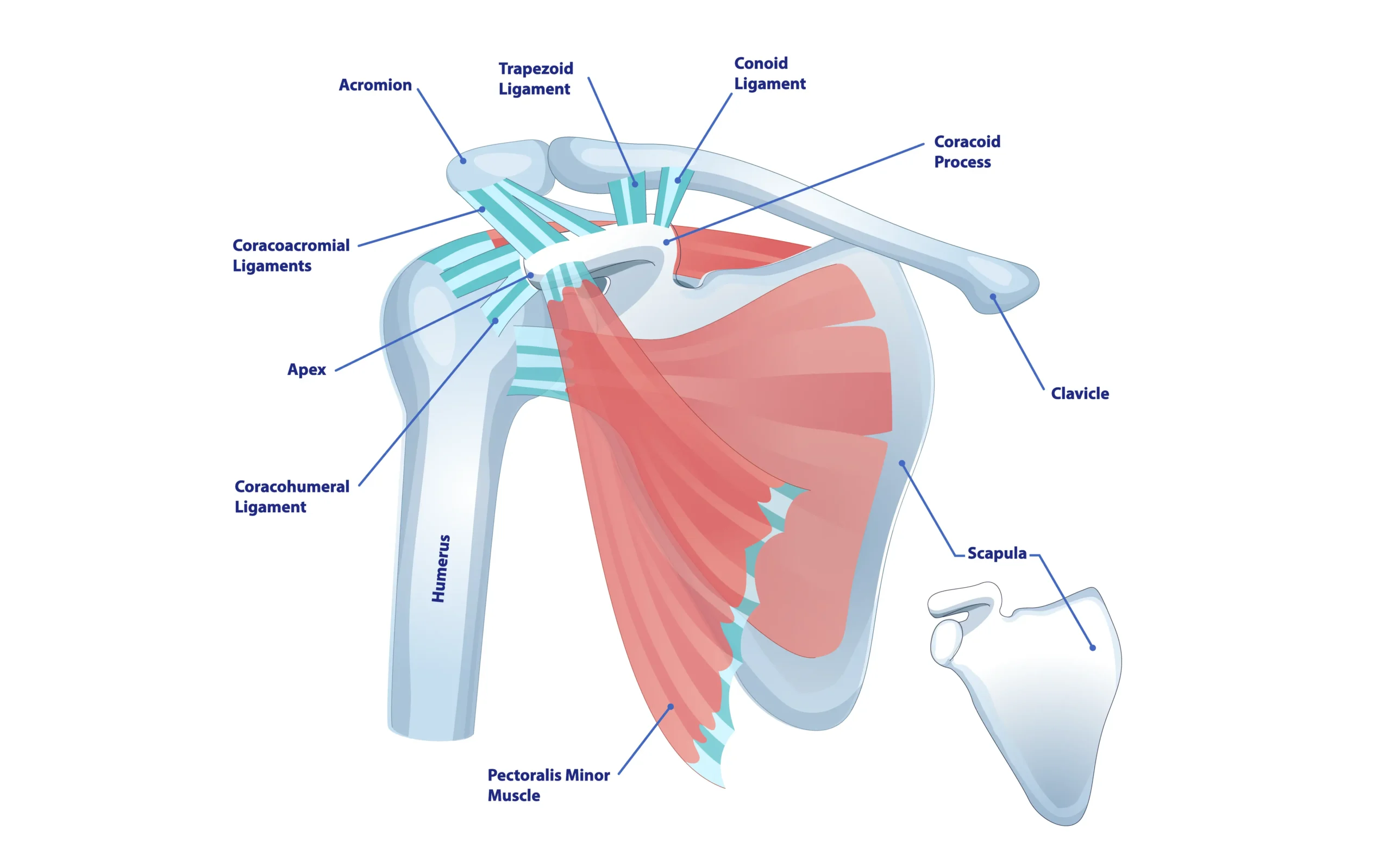
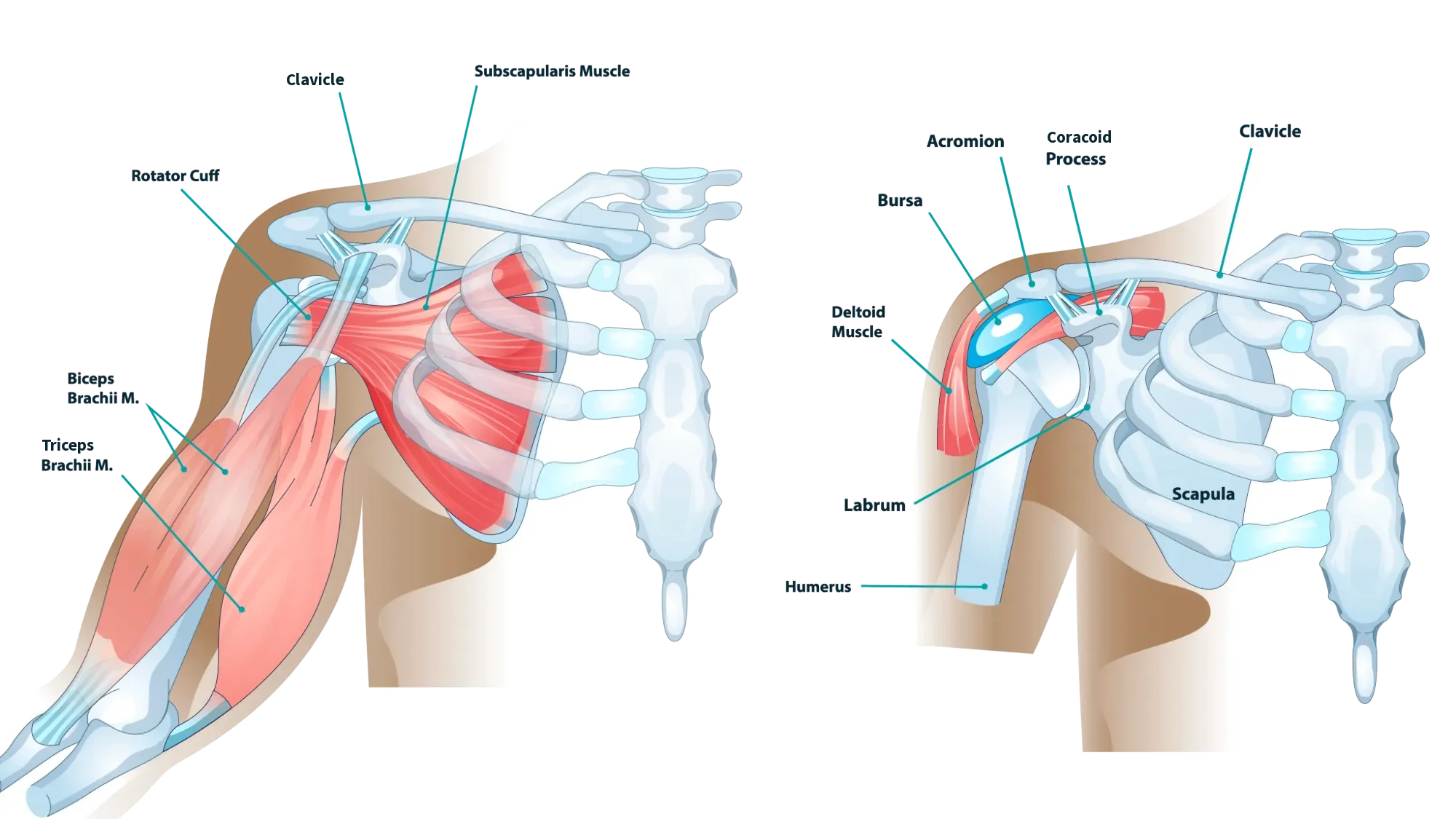
The shoulder is a ball-and-socket joint, allowing for movement in virtually every direction. Three bones form the shoulder joint, or glenohumeral joint: the humerus, the scapula, and the clavicle. The top of the humerus acts as the “ball.” A shallow, cup-shaped part of the scapula, called the glenoid, serves as the “socket.” Both surfaces are covered with articular cartilage, which allows the bones to smoothly glide against each other.
The shoulder relies heavily on soft tissues for stability and movement, including the rotator cuff. This is a group of four tendons and their associated muscles. They surround the shoulder joint, stabilizing it and powering movement.
When is Total Shoulder Replacement Recommended?
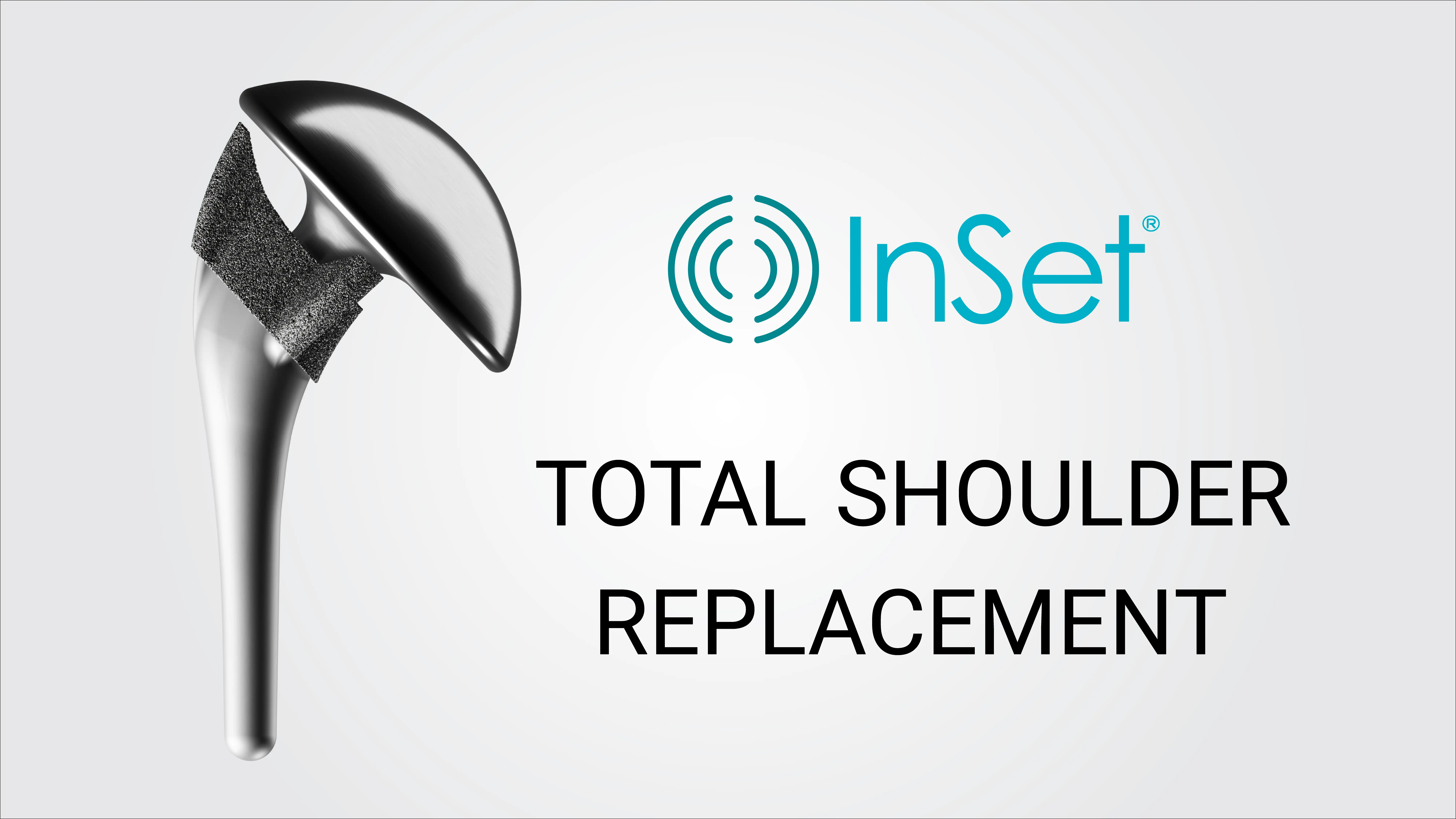
A total shoulder replacement is a surgical procedure in which the damaged portions of the shoulder joint are replaced with artificial components, typically a metal ball and a plastic socket. The goal of the surgery is to relieve pain and restore mobility and function when non-surgical treatments are no longer effective. Primary indications include:
- Osteoarthritis (Wear-and-Tear Arthritis): This is the most common reason for a total shoulder replacement. It is a degenerative joint disease that occurs when the articular cartilage wears away over time.
- Rheumatoid Arthritis (RA): This is a chronic inflammatory disorder where the body’s immune system mistakenly attacks the joint lining. This inflammation can eventually destroy the articular cartilage.
- Post-Traumatic Arthritis: This type of arthritis develops after a significant shoulder injury such as fractures or severe ligament tears
- Avascular Necrosis (Osteonecrosis): This occurs when the blood supply to the humeral head is disrupted.
The Decision to Proceed with Surgery
The decision to undergo a total shoulder replacement is a collaborative process between the patient and the surgeon. Mark A. Schrumpf, MD, emphasizes shared decision-making, ensuring that each patient fully understands their condition, treatment options, and expected outcomes before proceeding.
Surgery is typically recommended when conservative treatments, such as physical therapy, activity modification, and medications, no longer provide relief. Candidates for surgery often experience persistent, severe pain that interferes with daily activities, is not alleviated by rest or medication, and frequently disrupts sleep.
A successful total shoulder replacement may significantly reduce pain and restore mobility, allowing patients to return to a more active, comfortable, and fulfilling lifestyle.
Preparing for Your Total Shoulder Replacement Surgery

Before surgery, your surgeon may conduct a thorough medical evaluation to ensure you’re in the best possible health for the procedure. Imaging studies are often ordered to provide a detailed view of your shoulder anatomy and assist with precise surgical planning.
Be sure to review all medications, vitamins, and supplements with your surgeon. You may be advised to stop certain medications in the days leading up to surgery to minimize potential risks.
Making a few lifestyle and home adjustments in advance can help make recovery smoother. Arrange for a caregiver or family member to assist with daily activities such as dressing, bathing, and meal preparation during the first several days after surgery. Organize your living space so essential items are within easy reach at waist level, and consider installing safety aids, like a shower chair or grab bars, to make your environment safer and more comfortable.
The Surgical Experience and Recovery
The Procedure
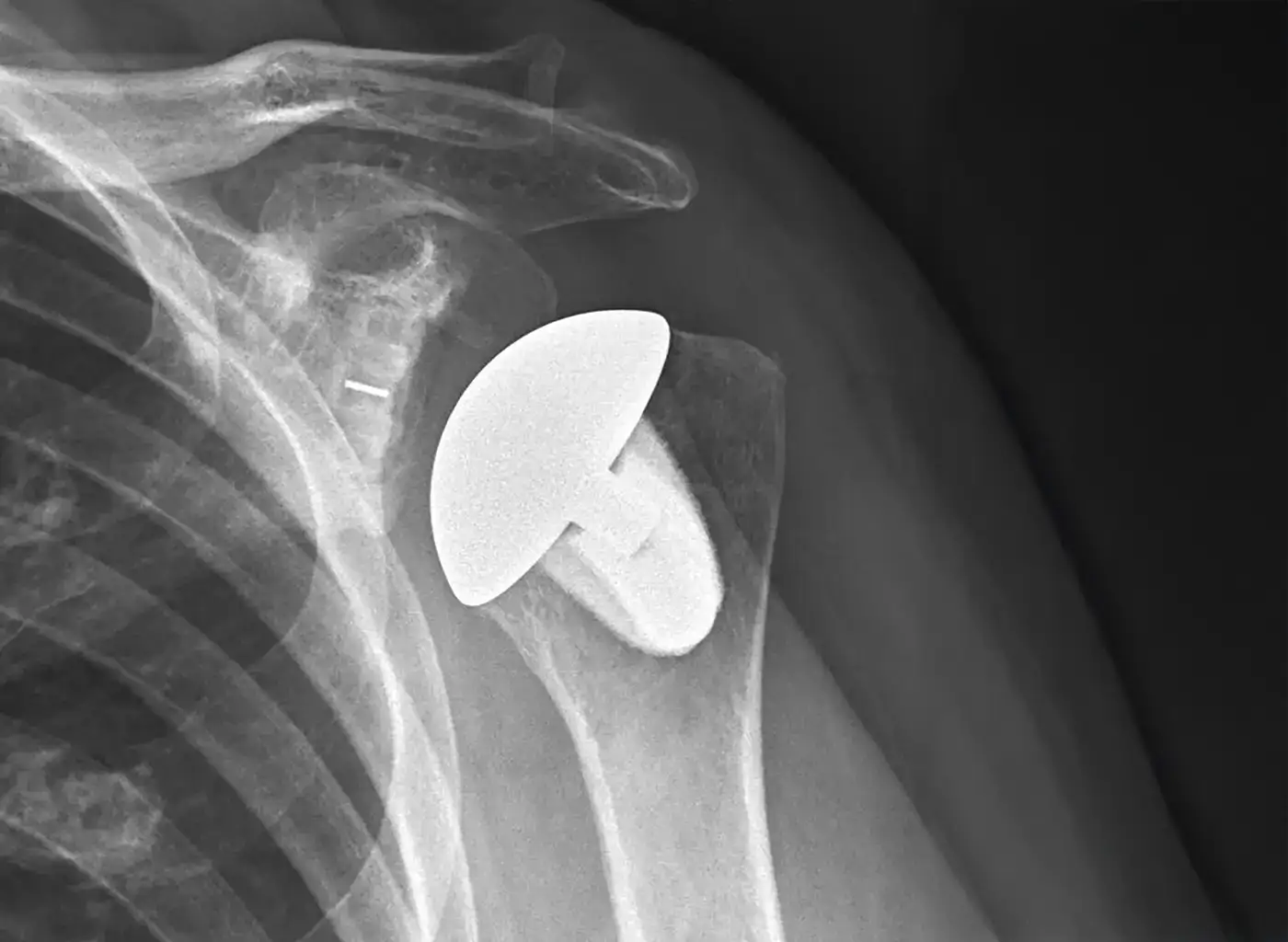
The surgery is typically performed under general anesthesia. A regional nerve block may also be used to provide pain relief immediately following the procedure. The surgeon makes an incision on the front of the shoulder, then removes the damaged bone and cartilage. They replace the damaged ball and socket with prosthetic components. The metal humeral component is secured to the arm bone. The plastic glenoid component is secured to the shoulder blade.
Post-Operative Care
Following total shoulder replacement surgery, some patients may be discharged the same day, while others may remain in the hospital overnight for observation. During this initial recovery period, effective pain management is a key priority. Most surgeons use a multi-modal pain control strategy, which combines different types of medications to manage discomfort safely and effectively.
You will be placed in a sling immediately after surgery to protect the joint and limit movement while the shoulder heals. The sling is typically worn for several weeks, depending on your surgeon’s recommendations and the progress of your recovery.
The Rehabilitation Protocol: Your Commitment to Recovery
Rehabilitation is an important part of the total shoulder replacement journey. While specific timelines and steps may vary between patients, rehabilitation generally progresses through three primary stages.
Phase 1: Passive Motion
During the initial phase, the focus is on protecting the surgical repair and managing pain. Your physical therapist may gently move your arm for you. This is called passive range of motion (PROM). You will likely be restricted from using your own muscles to lift or rotate the arm at this stage, as doing so could strain the healing tissues.
Phase 2: Active Motion
Once cleared by your surgeon and physical therapist, you’ll begin to move your arm using your own muscles. This is known as active range of motion (AROM). Light strengthening exercises may be introduced as tolerated. During this stage, patients typically notice improvements in mobility and the ability to perform everyday activities.
Phase 3: Strengthening and Functional Return
The final phase emphasizes rebuilding strength, endurance, and stability. Progressive resistance exercises may be added to help you return to normal daily and recreational activities. Full recovery can take six months to a year or longer, depending on individual progress.
Consistency with your physical therapy program is an important factor in achieving the best outcome. Dr. Schrumpf and your physical therapist will monitor your progress closely and provide personalized guidance, including when it is safe to resume driving and other activities.
Summary
For those living with the debilitating effects of shoulder disease, total shoulder replacement offers a possible opportunity to regain comfort, mobility, and quality of life. Advancements in surgical techniques and implant design have made this procedure successful for the majority of patients.
The key to an excellent outcome lies in a strong partnership between the patient and the surgical team. By selecting an experienced shoulder specialist, preparing thoroughly for surgery, and committing to a dedicated rehabilitation program, patients can maximize their recovery and long-term results.
If you are experiencing chronic shoulder pain that limits your daily life, Mark A. Schrumpf, MD, offers personalized, state-of-the-art care tailored to your needs. Request an appointment today to take the next step toward restoring strength and motion in your shoulder.