
One of the most common inquiries we hear from patients is “How long does shoulder replacement surgery take?” The answer, while seemingly straightforward, is actually quite nuanced. The time you spend in the operating room is only one part of the total surgical experience. It can help to understand the full timeline, from the moment you arrive at the hospital to the time you are resting comfortably in recovery. In this post, we will explore the entire process, breaking down the surgical timeline and discussing the variables that make each patient’s experience unique.
Key Takeaways
- The actual time the surgeon spends performing the shoulder replacement typically ranges from one to three hours.
- Both total shoulder replacement and reverse shoulder replacement generally fall within the same time range.
- The final duration may depend on the complexity of your shoulder damage, the need for any additional procedures, and your surgical team.
Deconstructing the Surgical Timeline: More Than Just the Operation
When patients ask, “How long does shoulder replacement surgery take?” they are often referring only to the time the surgeon is actively working. However, the total time you spend under the care of the surgical team can be divided into three distinct phases: pre-operative preparation, the core operation, and post-operative recovery. Time durations may vary significantly between patients.
Phase 1: Pre-Operative Preparation (Approximately 60–90 Minutes)
This phase begins when you arrive at the hospital or surgical center. It may include the following steps:
- Admission and Paperwork: You will complete the final administrative steps. Nurses may confirm your medical history and the details of the planned procedure.
- Anesthesia Consultation: You may meet with the anesthesiologist to discuss the anesthesia plan, which often includes general anesthesia combined with a regional nerve block.
- Surgical Site Preparation: The surgical team will prepare to transport you to the operating room. Your IV may be placed, and you will be positioned on the operating table. The team will then clean and sterilize the shoulder area.
Phase 2: The Core Operation
This is the time when the surgeon performs the actual joint replacement.
- Typical Duration: For a standard, uncomplicated shoulder replacement, whether it is a total shoulder replacement or a reverse shoulder replacement, the procedure typically takes between one and three hours.
- The Range: It is important to remember that durations may vary. Some straightforward cases may be completed in as little as one hour. More complex cases, which may involve significant bone loss or the need for additional soft tissue work, could extend the time closer to three hours or longer.
During this time, the surgeon carefully removes the damaged parts of the joint. They then implant the new components, ensuring they are aligned and securely fixed. The final steps involve closing the incision and applying a sterile dressing.
Phase 3: Post-Operative Recovery
Once the operation is complete, the focus shifts to your immediate recovery and stabilization.
- The PACU: You will be moved to the Post-Anesthesia Care Unit (PACU), or recovery room. A dedicated team of nurses will monitor your vital signs. They will manage your initial pain levels as the anesthesia begins to wear off.
- Waking Up: The time spent here depends on how quickly you wake up from the general anesthesia. It also depends on how stable your blood pressure and heart rate are.
- Transition: Once you are fully awake, alert, and your pain is controlled, you may be discharged, or the team will transfer you to a standard hospital room.
Comparing the Procedures: Total vs. Reverse Shoulder Replacement
The two most common types of shoulder replacement are total shoulder replacement and reverse shoulder replacement. While the surgical techniques differ, the time required for each is often comparable.
Total Shoulder Replacement
Anatomic shoulder replacement may be a recommended treatment option for patients with severe arthritis but an intact, functional rotator cuff. The surgeon replaces the head of the humerus (the ball) with a metal component. They replace the glenoid (the socket) with a plastic component. This restores the shoulder’s natural anatomy.
- Time Consideration: A total shoulder replacement requires precise preparation of both the humeral and glenoid sides. If the glenoid bone is severely worn, the surgeon may need extra time for bone grafting or specialized implant fixation. This could slightly increase the operative time.
Reverse Shoulder Replacement
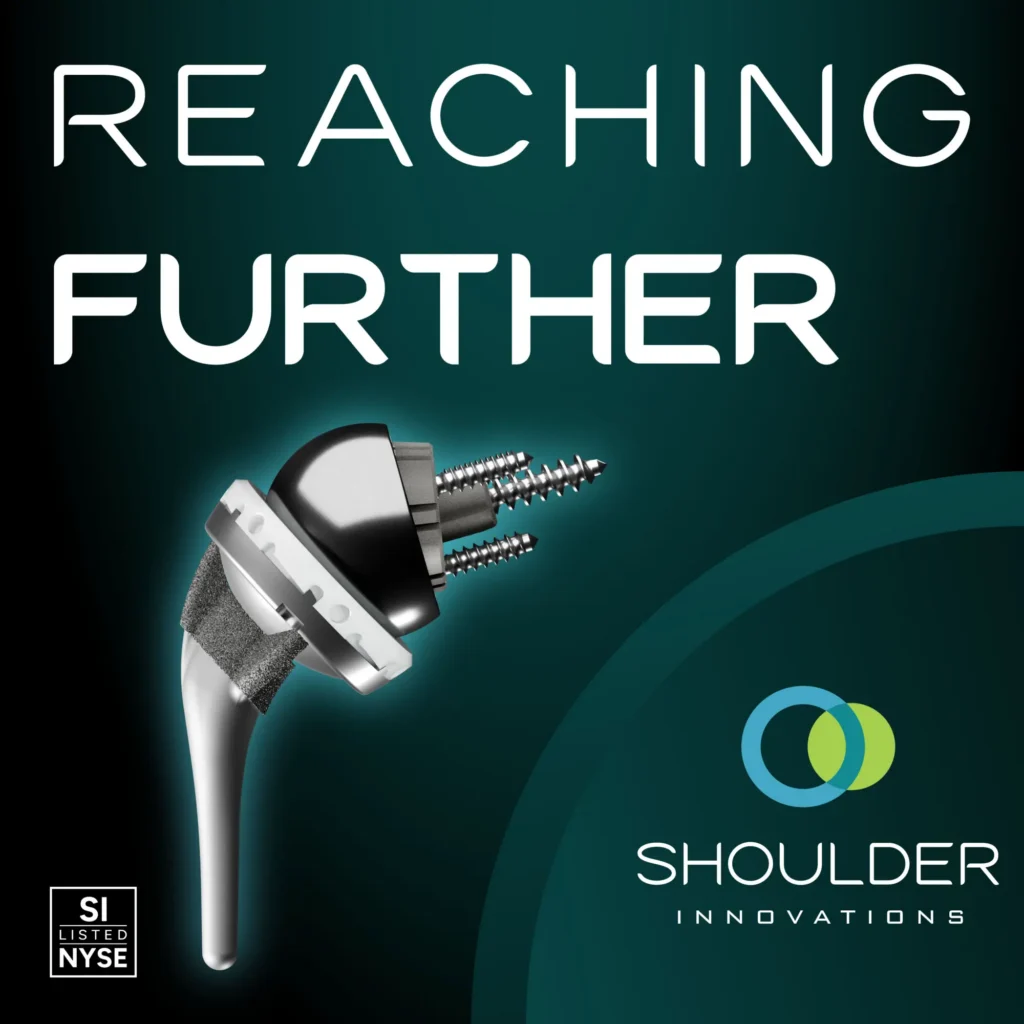
Reverse shoulder replacement is designed for patients who have both severe arthritis and a non-functional rotator cuff (rotator cuff tear arthropathy). In this procedure, the anatomy is reversed. A metal ball is fixed to the socket (glenoid), and a plastic socket is placed on the upper arm bone (humerus). This allows the deltoid muscle to power the arm, bypassing the damaged rotator cuff.
- Time Consideration: The reverse shoulder replacement procedure can sometimes be slightly more complex. However, in most cases, this procedure is performed with similar efficiency to a total shoulder replacement.
Other Variables: Why Does the Time Vary?
1. Patient-Specific Factors
The patient’s unique anatomy and medical history play a role in the surgical duration.
- Severity of Joint Damage: A shoulder joint with bone loss, deformity, or extensive scar tissue from previous injuries may require more meticulous work. The surgeon may need to spend extra time preparing the bone surfaces to ensure the new implant fits perfectly.
- Anatomical Complexity: Unusual bone structure or the presence of hardware from prior surgeries can add time. Removing old plates, screws, or previous implants is a step that can extend the operative clock.
- Patient Health and Comorbidities: While the surgery is underway, the anesthesiologist continuously monitors the patient’s vital signs. If a patient has underlying health conditions, such as heart or lung issues, the team may proceed more slowly.
2. Surgical Team and Setting Factors
The people and place where the surgery occurs also influence the timeline.
- Surgeon Experience and Efficiency: A surgeon who specializes in shoulder replacement and performs the procedure frequently may have a more streamlined process. Their familiarity with anatomical variations may help contribute to efficiency.
- Surgical Team Coordination: The operating room is a team environment. A well-rehearsed team can anticipate the surgeon’s needs. This coordination minimizes delays.
3. Procedural Factors
Sometimes, the surgeon discovers an issue during the operation that requires an unplanned adjustment.
- Need for Bone Grafting: If the surgeon finds that the patient has more bone loss than anticipated, they may need to perform a bone graft to create a stable foundation for the implant.
- Rotator Cuff Repair: In some cases of total shoulder replacement, the surgeon may perform a minor repair on the rotator cuff or other soft tissues.
- Implant Technology: The specific implant system used may affect the time.
The Long-Term Timeline: The Recovery Journey
While some patients are able to return home the same day as the procedure, others stay in the hospital for one to two nights. The primary goal during this time is to ensure pain is well controlled and that the patient can safely manage basic movements before returning home. Shortly after surgery, the rehabilitation process begins. Although specific timelines and steps may vary between patients, recovery generally follows a predictable progression.
Week 1–6: Protection and Early Motion
This initial phase focuses on protecting the healing tissues and allowing the joint to settle. During this time, you will wear a sling nearly full-time to immobilize and support the shoulder. Physical therapy typically begins soon after surgery, with an emphasis on passive range-of-motion exercises. In these early sessions, the therapist moves your arm for you to help prevent stiffness while avoiding stress on the healing muscles and soft tissues.
Week 6–12: Active Motion and Strengthening
Once your surgeon determines that the tissues have healed enough, you may transition into active motion. This means you will begin moving your arm on your own rather than relying solely on the therapist. Light strengthening exercises may be gradually introduced during this phase to help rebuild muscle strength and improve shoulder control around the new joint.
Month 3–6: Advanced Strengthening and Return to Activity
During this stage, rehabilitation becomes more advanced and focuses on restoring strength, endurance, and functional movement. Therapy exercises are more targeted and demanding, helping the shoulder return to everyday and recreational use.
Maximal Recovery
Although most patients notice substantial improvement within the first six months, the shoulder can continue to gain strength, comfort, and function for up to a year or longer after surgery.
Summary
The actual shoulder replacement procedure typically lasts between one and three hours. This time is influenced by the complexity of your joint damage, along with other factors. A key takeaway is that the surgical time is brief and is the beginning of a longer journey of rehabilitation. By choosing a specialized surgeon and committing to your rehabilitation plan, you can help set yourself up for the best possible outcome.
Frequently Asked Questions
Does the time of the surgery affect the outcome?
The duration of the surgery is not a direct predictor of the outcome. A highly experienced surgeon may complete a routine case quickly due to efficiency and a well-coordinated team. Conversely, a longer surgery may simply indicate a more complex case that required extra, necessary steps to ensure the best result.
How long does the anesthesia last?
The general anesthesia will keep you asleep for the duration of the procedure. However, most patients also receive a regional nerve block before the surgery. This block is designed to provide pain relief for 12 to 24 hours after the operation.
How long does it take to fully recover?
While many patients experience improvements in pain and motion within the first three months, maximal recovery can take up to a full year or longer. Your dedication to your rehabilitation program is an important factor in achieving the best possible result.