
If you’re considering shoulder replacement surgery, one of the key questions is, “How long is recovery from shoulder replacement?” The recovery timeline is not a fixed schedule. It is a highly personalized journey that unfolds over many months. Your specific timeline depends on the type of surgery, your overall health, and your commitment to rehabilitation. However, while timelines differ, recovery tends to follow general phases. In this post, we’ll outline the typical recovery phases, discuss the factors that influence your personal timeline, and explain what you can expect at each stage.
Key Takeaways
- The total time it takes to recover varies significantly among patients. It can depend on the type of surgery, individual health factors, and your dedication to physical therapy.
- The first period of time focuses on protection and pain management. You will wear a sling and begin gentle, passive range-of-motion exercises.
- Achieving maximum strength and endurance, and returning to more demanding activities, typically takes six months to a full year or longer.
Phase 1: The Protective Phase
The initial period is often dedicated to protecting the surgical repair and managing your post-operative discomfort. Some patients are able to go home the same day, while others stay in the hospital overnight following the procedure. Before discharge, your care team will provide detailed instructions on pain management and sling use. Your surgeon may prescribe medication to help you remain comfortable.
The sling is a key part of this phase. You will wear it almost constantly, including while sleeping, for around six weeks to protect the surgical site. It prevents sudden movements that could jeopardize the healing tissues. Avoid lifting, pushing, or pulling anything with the operated arm.
Physical therapy begins almost immediately, often within the first week. These early sessions focus on passive range of motion (PROM). The therapist moves your arm for you, without your shoulder muscles engaging. This gentle movement helps prevent stiffness and scar tissue formation.
Phase 2: Restoring Motion
As you transition out of the sling, usually around the six-week mark, you enter the next stage. This phase focuses on regaining control and initiating active movement. Your physical therapy program may shift its focus from passive to active range of motion (AROM). You now start moving your arm using your own muscles. This transition requires patience and careful attention to your body’s signals. You should not push through sharp pain.
You may begin to incorporate the arm into light, everyday activities. Tasks like eating, dressing, and personal hygiene become easier. Your surgeon and therapist will guide you on the safe limits of movement and activity. Avoid any heavy lifting or repetitive motions that could strain the shoulder.
Phase 3: Building Strength
Around the three-month milestone, many patients achieve a functional range of motion. The focus of your rehabilitation now may shift to strengthening the muscles surrounding the shoulder joint.
Your physical therapy sessions may introduce resistance exercises. The goal is to stabilize the new joint and improve its overall function. You may use resistance bands, light weights, and other tools under the guidance of your therapist.
This period often marks the return to several important activities. Many patients can return to driving once they have regained sufficient range of motion and strength. Your surgeon will provide the final clearance for this. You may find yourself performing most daily tasks without conscious thought or pain.
Phase 4: Return and Refinement
Full recovery, where the shoulder has reached its maximum potential for strength and function, typically takes between six months and a full year. For some patients, the process may extend slightly beyond the one-year mark.
Your physical therapy may transition to a dedicated, independent home exercise program. Low-impact activities, such as swimming or golf, may be possible around the six-month mark depending on your surgeon’s recommendations. High-impact activities or sports that involve throwing or heavy contact will require more time. They also require a final clearance from your surgeon, and some activities may be restricted long-term.
Total vs. Reverse: How the Procedure Type Influences Recovery
The type of shoulder replacement you receive, either an anatomic total shoulder replacement or a reverse shoulder replacement, may influence the initial recovery protocol. However, the overall answer to “How long is recovery from shoulder replacement?” remains broadly similar. Both procedures may require a commitment of six to twelve months for maximal recovery.
Total Shoulder Arthroplasty
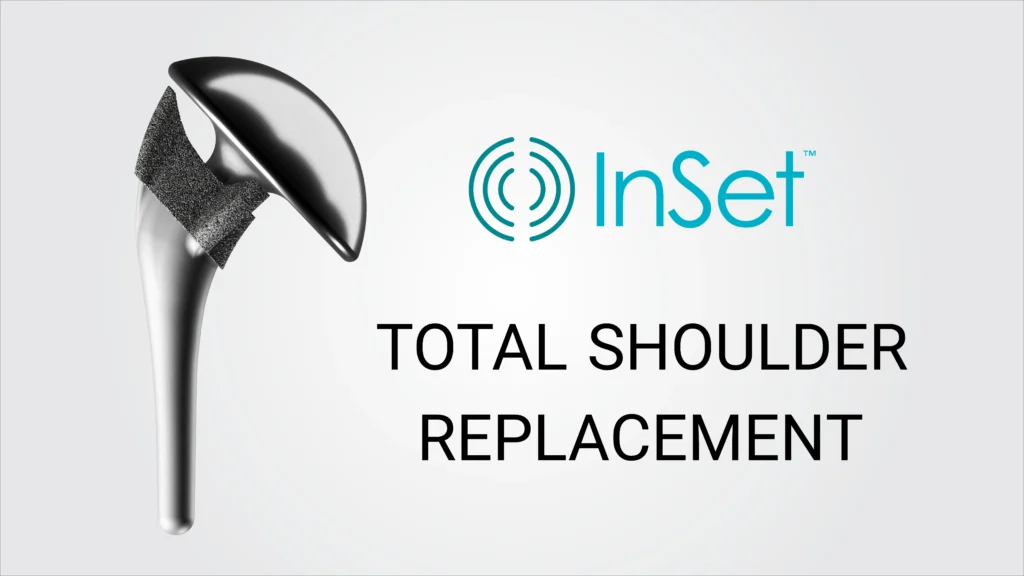
A total shoulder replacement is typically performed when the rotator cuff tendons are healthy. The surgeon replaces the ball and socket of the joint with prosthetic components. In some cases, rehabilitation may progress slightly faster in the early stages compared to reverse shoulder replacement. This is because the primary engine of the shoulder, the rotator cuff, is intact.
Reverse Total Shoulder Arthroplasty
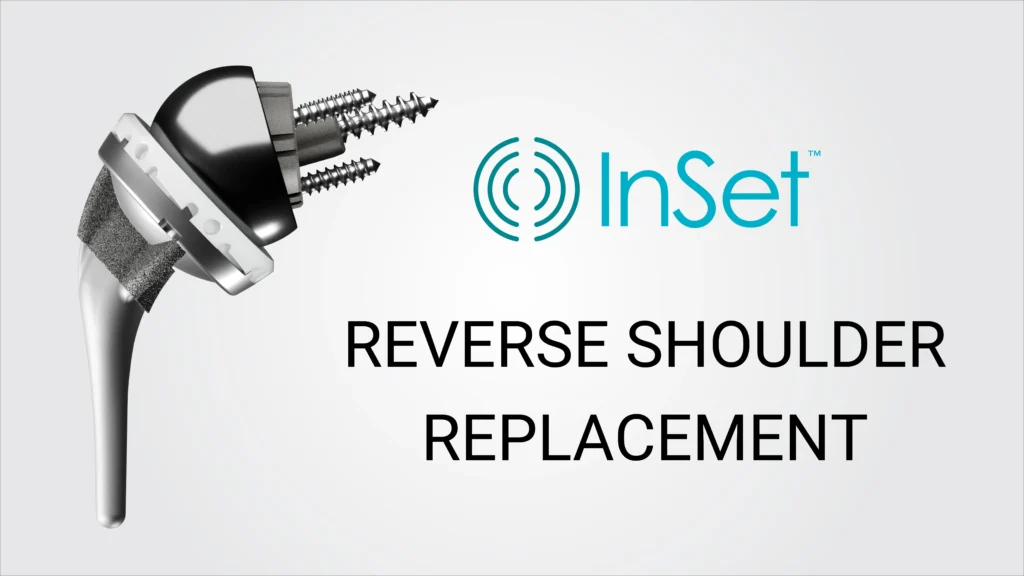
A reverse shoulder replacement is frequently the preferred option when a patient has a severely damaged or non-functional rotator cuff. In this procedure, the ball and socket components are reversed. This allows the deltoid muscle to take over the function of the damaged rotator cuff.
In both cases, the first phase is about protection. The period from three to six months is when the most significant functional gains often occur. The differences lie primarily in the specific movements and muscles your physical therapist will focus on protecting and strengthening.
Factors That Influence Your Recovery Timeline
While we can provide a general roadmap, your personal recovery journey is unique. Several factors may influence the length of recovery following your procedure.
Pre-Operative Health and Fitness
Your physical condition before surgery can play a role in your recovery speed. For example, in some cases, conditions like diabetes can slow the healing process. Taking steps to optimize your health before the procedure can support recovery in the months that follow.
Compliance with Physical Therapy
Attending all scheduled sessions and diligently performing your home exercises is important for recovery. Skipping sessions or neglecting your home program may lead to an increased risk of stiffness and a longer recovery time.
Type of Surgery and Extent of Damage
As discussed, a total shoulder replacement and a reverse shoulder replacement have different protocols. If your surgery involved repairing other soft tissues, such as a large rotator cuff tear, timelines may lengthen. Additionally, the complexity of the initial damage can also affect the overall healing time.
Summary
While the initial weeks following shoulder replacement surgery require adherence to protective measures, the subsequent months frequently bring steady, measurable progress. Many patients can expect to resume light, daily activities within two to three months and achieve significant functional recovery by around six months. The final phase, which involves maximizing strength and returning to all desired activities, may take up to a year or longer.
Frequently Asked Questions
How long will I need to wear a sling?
The sling is generally required for the first four to six weeks following the procedure. This period is important for protecting the healing tissues. The exact duration depends on the type of surgery and your surgeon’s specific protocol.
When can I return to work?
The timeline for returning to work depends heavily on your job. If you have a sedentary, desk-based job, you might return as early as two to three weeks. If your job involves moderate to heavy physical labor, you should plan for longer. An experienced shoulder surgeon can provide specific guidance depending on your job and procedure.
When can I lift heavy objects again?
Many patients are advised to avoid lifting anything heavier than a cup of coffee for the first six weeks. Light lifting (e.g., a gallon of milk) may be introduced around the three-month mark. Returning to heavy lifting (over 10-15 pounds) may require six months or more of dedicated strengthening, but this depends on individual recovery and surgeon recommendations.