
Medically reviewed by Mark A. Schrumpf, MD | Reviewed August 2026
When I prepare patients for shoulder replacement surgery, one of the first things we discuss is what the day of surgery and early recovery will actually look like. Understanding the process, from arriving at the hospital to waking up after the procedure, can help replace uncertainty with a clearer plan. In this post, I’ll walk you through what shoulder replacement surgery is really like, what to expect at each stage, and how I guide patients through the experience.
Key Takeaways
- Shoulder replacement surgery is typically performed under general anesthesia, often paired with a nerve block for targeted pain relief.
- The operation itself usually takes one to three hours. Your actual time at the surgical center runs longer to include prep and recovery.
- Most patients are surprised by how manageable the first few hours after surgery feel, largely thanks to modern anesthesia and pain control.
Before You’re Ever Wheeled Back
The day of surgery starts earlier than most patients expect. You’ll typically be asked to arrive a couple of hours before your scheduled procedure time. That window exists for a reason. Nurses need to confirm your medical history and start an IV. Your surgical team reviews your imaging one more time. It can feel like a lot of waiting, but this part of the day is really just careful preparation.
If you haven’t already, it’s worth reading through what preparing for shoulder replacement surgery involves in the days and weeks beforehand. A lot of the stress around surgery day tends to fade once the earlier steps are handled.
Meeting Your Anesthesia Team
Shoulder replacement is generally performed under general anesthesia, so you’ll be fully asleep for the operation. Many patients also receive a regional nerve block, called an interscalene block. This numbs the shoulder and arm to help manage pain as you wake up. Not every patient is a candidate for a nerve block, and your anesthesiologist will walk you through what makes sense for your situation.
What Actually Happens on the Operating Table
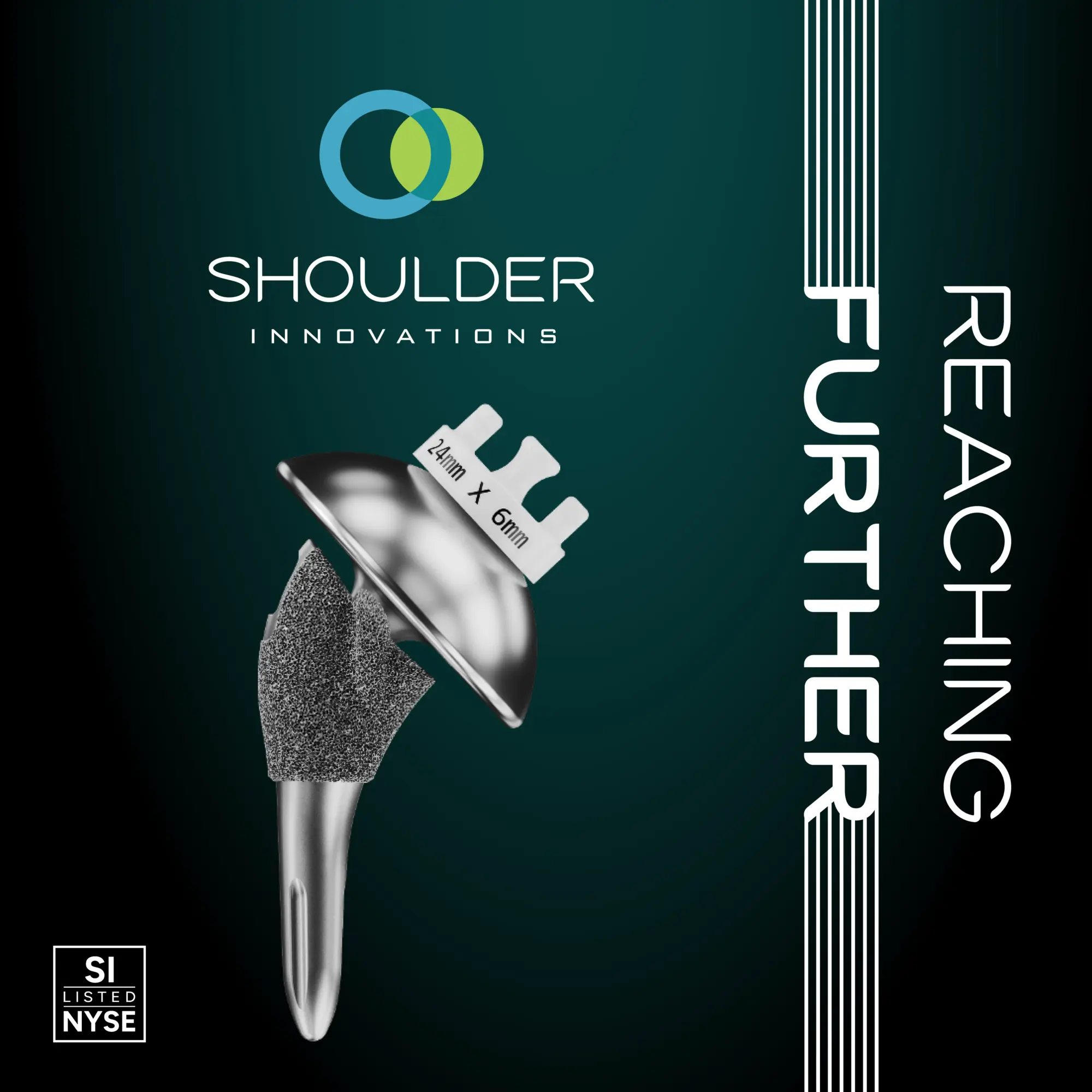
Once you’re under anesthesia, the surgical process itself differs depending on whether you’re having a total shoulder replacement or a reverse shoulder replacement. In a total shoulder replacement, I remove the damaged ball of the humerus and replace it with a metal component. I then resurface the socket side of the joint, called the glenoid, with a smooth plastic implant. The goal is to recreate your shoulder’s natural anatomy as closely as possible.
A reverse shoulder replacement works differently. Instead of rebuilding the joint in its normal configuration, the ball and socket positions are switched. The ball is attached to the glenoid side, and the socket is placed on the humerus. This reversal allows the deltoid muscle to do the work that a torn rotator cuff can no longer handle. The two procedures solve different problems. But the operating room experience, from your perspective, looks nearly identical either way.
The operation itself generally takes one to three hours. The exact time depends on the complexity of your anatomy and which procedure you’re having. That number doesn’t include anesthesia beforehand or monitoring afterward. Your total time away from your friends and family in the waiting room will run longer than the surgery itself.
How Your Care Team Stays in Contact With Family
While you’re in the operating room, your family isn’t left completely in the dark. Most surgical centers, including the ones I operate out of in San Francisco, update waiting family members at key points. That typically includes when the procedure begins and when it wraps up. I also make a point of speaking with family directly after surgery. Walking through how things went in person tends to ease a lot of the tension that builds up during the wait.
If you’re the one waiting rather than the one having surgery, bring something to occupy the time. A procedure can feel much longer when you’re sitting in a waiting room without much to do.
Waking Up: The First Hours After Surgery
You’ll wake up in a recovery area where a nurse monitors your vitals as the anesthesia wears off. Your arm will already be in a sling. If you received a nerve block, that arm may feel unusually heavy or numb. It may also be difficult to move for a while. That’s expected, and it isn’t a cause for concern.
Most patients describe this first stretch as groggier than painful. The nerve block and residual anesthesia tend to blunt the sharpest edges of discomfort early on. Once you’re alert and stable, your surgical team will talk with your loved ones in the waiting room about how the procedure went. The nursing staff will then start walking everyone through what the next few hours and days will look like, and we’ll give you some handouts to take home.
What I See in My Patients
The patients who tell me surgery day went smoothly are almost always the ones who came in with a clear picture of what to expect. Uncertainty is what tends to spike anxiety, not the procedure itself. I’ve had patients from San Francisco and across the North Bay tell me afterward that the actual day felt anticlimactic compared to how much they worried about it beforehand. I take that as a good sign, not a strange one.
I’ve also noticed that patients who ask the most questions ahead of time tend to have the calmest surgery day. There’s no such thing as a question that’s too basic when it comes to your own procedure. Some patients want to know exactly how the nerve block feels as it sets in. Others want details about how the sling is fitted. I’d rather spend extra time answering those questions in the office than have someone lie awake the night before surgery wondering about them.
My Approach to Surgery Day
I try to make sure my patients know exactly what to expect before they ever change into a hospital gown. That means walking through the anesthesia plan and discussing whether a total or reverse replacement makes sense for your shoulder. It also means being direct about how long recovery in the surgical center will take. I’d rather over-explain the process than have a patient feel caught off guard mid-morning.
I practice at California Pacific Medical Center and see patients across San Francisco and Marin, so I’m also mindful of the logistics around surgery day. I talk with patients about arranging a ride home and planning for someone to stay with them the first night. Setting up a recovery space before surgery, rather than after, tends to make the day itself feel far less overwhelming.
Summary
Shoulder replacement surgery, whether total or reverse, follows a predictable rhythm. There’s arrival and prep, meeting your anesthesia team, the procedure itself, and a recovery period where you wake up with your arm already protected in a sling. Most patients find that the day is more manageable than they anticipated, especially once they understand what each step involves ahead of time. If you’re considering shoulder replacement and want to know what your specific surgery day would look like, the most useful next step is a one-on-one conversation. We can walk through your imaging, your anatomy, and your particular procedure together.
You can schedule a shoulder evaluation to get a clearer, personalized picture of what your surgery day would involve.
Frequently Asked Questions
How long will I be at the hospital or surgery center on the day of my procedure?
Plan for several hours. This includes pre-operative preparation, the procedure itself, and time in recovery before you’re discharged or moved to a hospital room. Some patients go home the same day, while others stay overnight for observation.
Will I be awake at any point during the surgery?
No. Shoulder replacement is almost always performed under general anesthesia, so you’ll be fully asleep throughout the procedure. Any nerve block used for pain control is placed before or after you’re under anesthesia, not while you’re aware of the process.
Will I be in pain when I wake up?
Most patients report less pain than they expected in the first few hours. That’s largely because of the nerve block and residual anesthesia. Discomfort tends to increase somewhat as the block wears off over the following day. Your care team will help you manage that with medication.
Can someone be with me while I’m in surgery?
Family members or friends typically wait in a designated waiting area rather than the operating room itself. Your surgical team will update them once the procedure is complete.
Does the day feel different for a total versus a reverse shoulder replacement?
Not really, from your perspective as the patient. The two procedures involve different techniques inside the joint. But the arrival process, anesthesia, and recovery-room experience look very similar either way. The bigger differences between total and reverse replacement show up later, during recovery and rehabilitation.