If you’re considering a reverse shoulder replacement, you probably have questions. One of the most common concerns is about your rotator cuff muscles. Do they still matter after surgery? Will they heal? Can they work again? Understanding what happens to rotator cuff muscles after reverse shoulder replacement surgery can help you feel more prepared for everything ahead.
Key Takeaways
- Reverse shoulder replacement does not repair the rotator cuff. It redesigns the mechanics of the joint so the deltoid muscle can take over the primary work of moving the arm.
- Some residual rotator cuff muscles may still play a supporting role after surgery, depending on the extent of rotator cuff damage.
- Recovery is highly individual. Timelines and outcomes can vary considerably from patient to patient.
Understanding the Rotator Cuff
The rotator cuff is a group of four muscles and their associated tendons that surround the shoulder joint. Together, they help keep the humeral head, the ball of the ball-and-socket joint, centered within the socket during movement.

Each muscle has a specific job:
- The supraspinatus helps lift the arm out to the side and assists with forward elevation.
- The infraspinatus and teres minor rotate the arm outward and help keep the humeral head centered.
- The subscapularis rotates the arm inward and provides important anterior stability to the joint.
In a healthy shoulder, these four muscles work together seamlessly. They act like a dynamic anchor, keeping the humeral head centered in the socket during movement. When one or more tendons tear, especially in the case of a massive or long-standing tear, the shoulder loses its ability to function normally. The mechanics of the joint can break down significantly. This breakdown is often what drives the need for a reverse shoulder replacement.
Why the Rotator Cuff Can No Longer Do Its Job
Most patients who reach the point of reverse shoulder replacement have experienced significant rotator cuff damage, often over many years. Massive rotator cuff tears, cuff tear arthropathy, or a combination of both can leave the shoulder joint in a state where surgical repair is no longer feasible.
Cuff tear arthropathy develops when a long-standing rotator cuff tear eventually leads to arthritis. Without the stabilizing effect of the rotator cuff, the humeral head may gradually migrate upward. Over time, it may contact the acromion, the bony shelf at the top of the shoulder blade, causing cartilage damage and severe, persistent pain.
In many cases, the rotator cuff tendons may be so retracted, degenerated, or atrophied that surgical repair is simply not possible. Even if a surgeon attempted repair, the tissue may not heal reliably, and the functional outcome may be limited.
How Reverse Shoulder Replacement Changes the Mechanics
A traditional total shoulder replacement mimics the natural anatomy of the joint. It places a metal ball on top of the humerus and a plastic socket on the glenoid. This approach relies on an intact rotator cuff to control movement and provide stability. When the cuff is too damaged, this design may not restore adequate function.
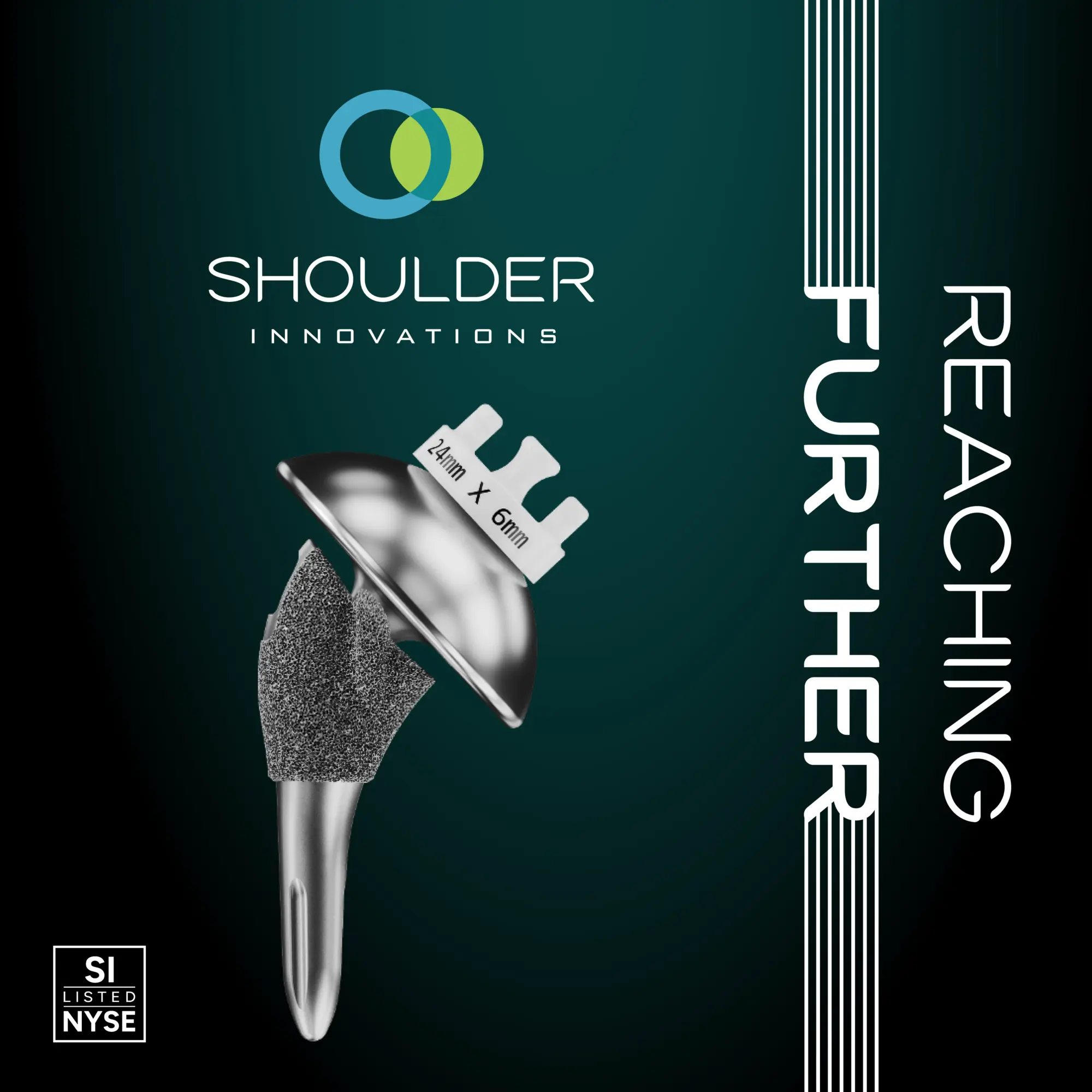
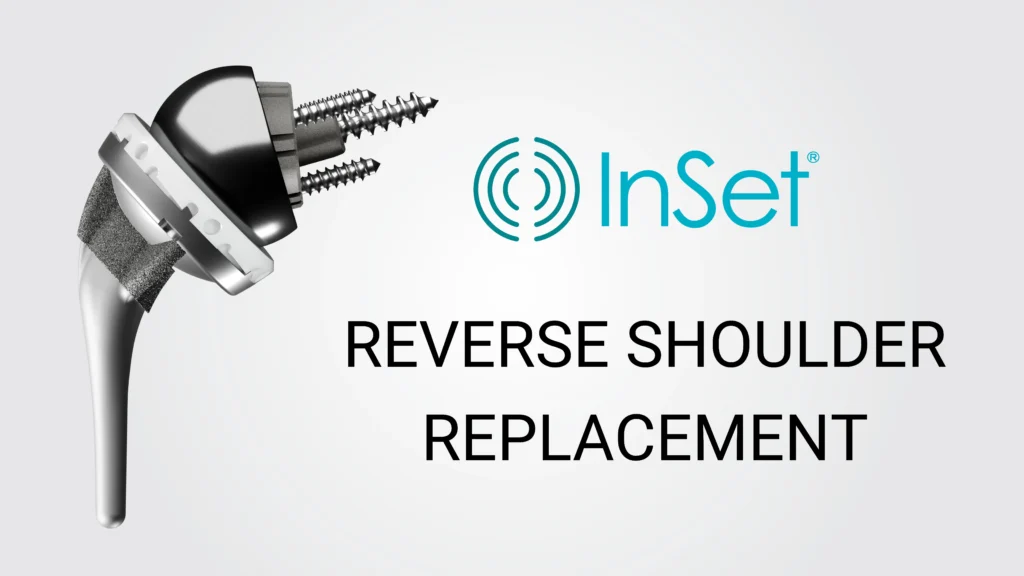
Reverse shoulder replacement changes the equation entirely. The surgery “reverses” the position of the ball and socket: a metal ball is attached to the glenoid, and a plastic socket is placed on the top of the humerus. This inverted design repositions the center of rotation and lengthens the moment arm of the deltoid muscle.
That mechanical shift is the key to understanding what happens to rotator cuff muscles after reverse shoulder replacement surgery. By moving the fulcrum of the joint, the deltoid gains significant mechanical advantage. It can generate enough force to elevate the arm in many patients, even when the rotator cuff is severely damaged or nonfunctional.
What Actually Happens to the Rotator Cuff Muscles After Surgery
The surgery does not repair the rotator cuff. It does not reattach torn tendons or regenerate damaged muscle tissue. If you enter the procedure with a massive, irreparable rotator cuff tear, you will leave with that tear still present. The implant redesigns how the shoulder functions around that damage.
That said, the situation is rarely all-or-nothing. In many patients, some rotator cuff tissue may still be present and functional at the time of surgery. The subscapularis, the front-facing cuff muscle responsible for internal rotation, often receives particular attention during the procedure. Surgeons may attempt to preserve or repair this structure during the surgical approach, because maintaining subscapularis function may contribute to postoperative stability and rotational strength in some patients.
The infraspinatus and teres minor may also retain some degree of function. When these posterior cuff muscles remain intact, they can contribute to external rotation after surgery.
Over time, whatever residual cuff musculature remains may adapt to the new biomechanics of the joint. Physical therapy plays an important role in engaging any remaining cuff function, helping patients make the most of all the muscles available.
The Deltoid Takes Center Stage
After reverse shoulder replacement, the deltoid becomes the primary engine of shoulder movement. This large, powerful muscle wraps around the top and sides of the shoulder. In a normal shoulder, it works alongside the rotator cuff. After a reverse replacement, it assumes the dominant role.
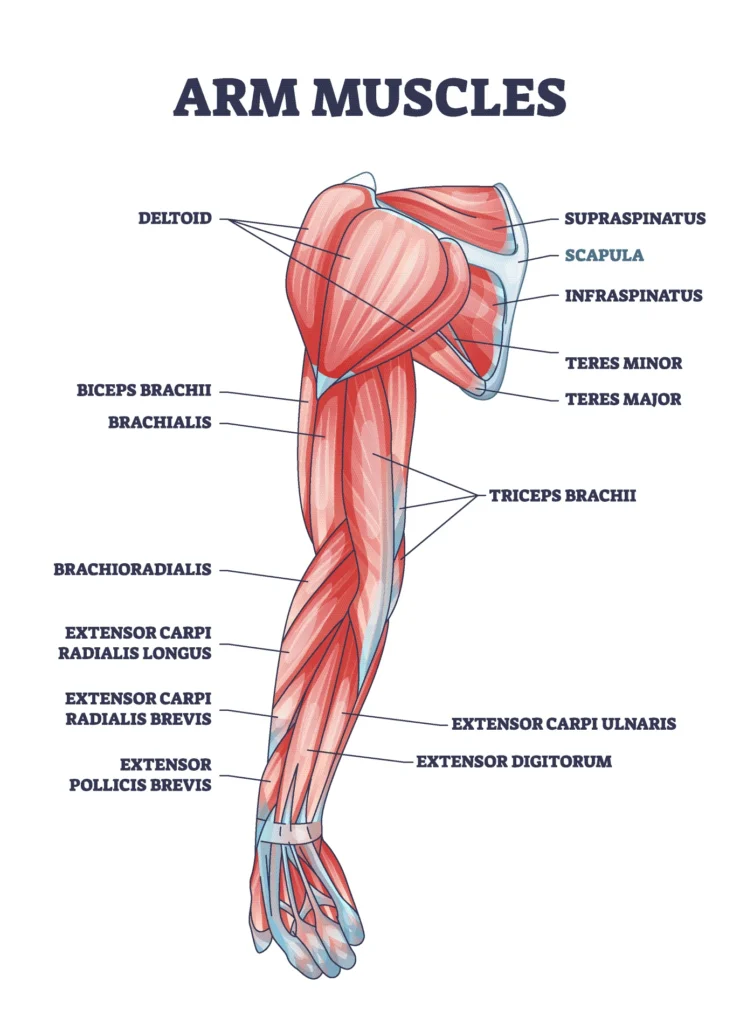
The repositioned center of rotation, made possible by the inverted ball-and-socket design, gives the deltoid a mechanical advantage it simply does not have in a standard shoulder. This allows it to generate sufficient force to lift the arm overhead, even in the absence of a functioning rotator cuff. For some patients who had lost the ability to raise their arm, this shift can significantly improve shoulder function and daily activity.
The deltoid is also highly trainable. A focused rehabilitation program may help improve deltoid strength, endurance, and coordination after surgery.
Physical Therapy and Muscle Retraining
Physical therapy is typically a central part of what makes the procedure work. The muscles surrounding the shoulder, particularly the deltoid, need to learn how to move the joint in its new configuration. That learning process takes time and consistent effort.
Early rehabilitation focuses on protection. The shoulder needs time for soft tissues to heal, and exercises during this phase are typically passive, meaning a therapist or the patient’s other arm moves the operative arm rather than the patient using their own shoulder muscles. This carefully controlled early motion may help reduce stiffness while minimizing stress on the healing structures.
As healing progresses, the focus shifts to active motion. Patients begin using the deltoid to lift the arm on their own. This phase can be challenging. For many patients, actively engaging the deltoid to raise the arm is an unfamiliar pattern, especially if they spent years compensating around a painful, dysfunctional shoulder.
Later phases of rehabilitation introduce strengthening. Resistance bands, light weights, and functional movement patterns help build the deltoid and the muscles surrounding the shoulder blade.
Many patients begin returning to most daily activities between three and six months after surgery, although recovery timelines can vary. Full strength and endurance may take a year or longer to develop. Individual outcomes depend on many factors, including age, activity level before surgery, the degree of muscle atrophy present beforehand, and how consistently the patient engages with their rehabilitation program.
Summary
If you are approaching reverse shoulder replacement surgery, understanding what happens to rotator cuff muscles after reverse shoulder replacement surgery can help make the entire process feel more manageable. The key takeaway is this: in many cases requiring reverse shoulder replacement, the rotator cuff damage is severe enough that direct repair is not possible. The reverse shoulder replacement design works around that damage by empowering the deltoid muscle to take over. Some residual rotator cuff function may remain, and physical therapy helps patients maximize whatever function is preserved.
Frequently Asked Questions
Does reverse shoulder replacement repair the rotator cuff?
No. Reverse shoulder replacement does not repair torn rotator cuff tendons or regenerate damaged muscle tissue. The surgery redesigns the mechanics of the joint so the deltoid can compensate for a non-functional rotator cuff. The torn tendons usually remain as they were before surgery; the implant design allows the shoulder to function even when the rotator cuff is severely compromised.
Will I have any rotator cuff function after surgery?
That depends largely on the extent of your rotator cuff damage going into surgery. Some patients retain partial function in muscles like the subscapularis, infraspinatus, or teres minor, and those muscles may continue to contribute to shoulder stability and rotation after surgery. Your surgeon can provide a more personalized assessment based on your specific anatomy, imaging, and surgical findings.
Why does the deltoid become so important after reverse shoulder replacement?
The inverted ball-and-socket design repositions the center of rotation and gives the deltoid a significantly greater mechanical advantage. This allows the deltoid to elevate the arm overhead even without a functioning rotator cuff. Because the deltoid is typically intact in patients requiring a reverse replacement, it can be well-positioned to take on this new primary role.