
Shoulder arthritis can limit an individual’s ability to perform everyday activities like reaching overhead, lifting objects, or even getting dressed comfortably. If you’re experiencing persistent shoulder discomfort, stiffness, or reduced mobility, understanding how to relieve arthritis pain in the shoulder becomes important for maintaining your quality of life. While arthritis in the shoulder can impact daily function, various treatment options exist that may help manage symptoms and restore comfort.
Key Takeaways
- Conservative treatments like physical therapy, activity modification, and anti-inflammatory medications often provide initial relief for shoulder arthritis.
- Surgical options such as total shoulder replacement or reverse shoulder replacement may be recommended for severe arthritis that hasn’t responded to non-surgical treatments.
- A personalized treatment approach typically combines multiple strategies tailored to your specific condition and lifestyle needs.
Understanding Shoulder Arthritis
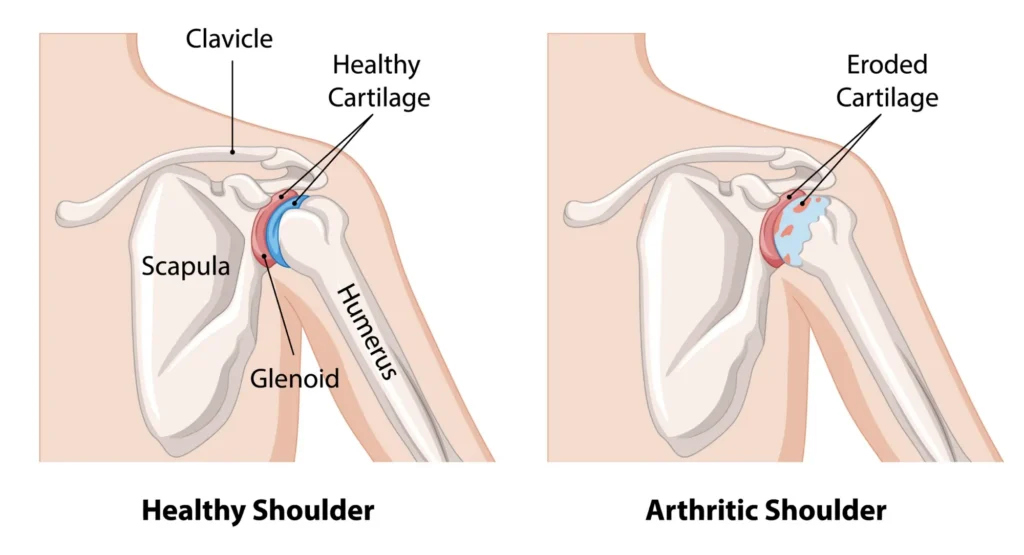
The shoulder joint is one of the most mobile joints in the human body. This remarkable range of motion, while beneficial for daily activities, also makes the shoulder vulnerable to wear and tear over time. Arthritis develops when the smooth cartilage covering the bone surfaces gradually deteriorates, leading to bone-on-bone contact that produces pain, inflammation, and restricted movement.
Several types of arthritis can affect the shoulder. Osteoarthritis, the most common form, typically results from years of normal use or previous injuries. Rheumatoid arthritis, an autoimmune condition, causes inflammation that damages the joint lining. Post-traumatic arthritis may develop following a shoulder fracture, dislocation, or rotator cuff injury. Each type may require slightly different management strategies.
Non-surgical Treatment Approaches
An experienced shoulder specialist can evaluate the condition and help guide the most appropriate treatment path. Many patients benefit from starting with conservative, non-surgical options. These approaches may provide meaningful relief, particularly in the early stages of shoulder arthritis.
Activity Modification and Rest
Adjusting how you perform daily tasks may help reduce shoulder stress. This doesn’t necessarily mean eliminating activities you enjoy, but rather finding alternative ways to accomplish them. For instance, you might use your opposite arm more frequently, avoid repetitive overhead reaching, or take regular breaks during physically demanding tasks. Paying attention to positions that worsen your symptoms can help you identify which movements to modify or temporarily avoid.
Physical Therapy and Exercise
A structured physical therapy program typically serves as a core component of arthritis management. Physical therapists can design exercises that strengthen the muscles surrounding your shoulder joint, improving stability and reducing strain on the arthritic surfaces. Your therapist might recommend specific exercises to strengthen your rotator cuff and scapular stabilizers. These muscles support shoulder function.
Anti-Inflammatory Medications
Non-steroidal anti-inflammatory drugs, commonly known as NSAIDs, can help manage both pain and inflammation. Over-the-counter options like ibuprofen or naproxen may provide relief for many patients. These medications work by reducing the inflammatory response in your shoulder joint, which can decrease swelling and discomfort. Your doctor can help determine whether NSAIDs are appropriate for you and discuss alternative pain management options if needed.
Ice and Heat Application
Temperature therapy represents a simple yet potentially effective tool. Ice application after activities that aggravate your shoulder may help reduce inflammation and numb pain. Many patients find relief by applying ice for 15 to 20 minutes several times throughout the day.
Heat therapy, conversely, might improve stiffness and promote blood flow to the area. Warm showers, heating pads, or warm towels applied before exercises or activities can make movement more comfortable. Some individuals respond better to heat, while others prefer ice, so experimenting with both approaches may help you discover what works best.
Surgical Treatment Options
When conservative and intermediate treatments fail to adequately control symptoms, surgical intervention may become a recommended option for relieving arthritis pain in the shoulder.
Total Shoulder Replacement
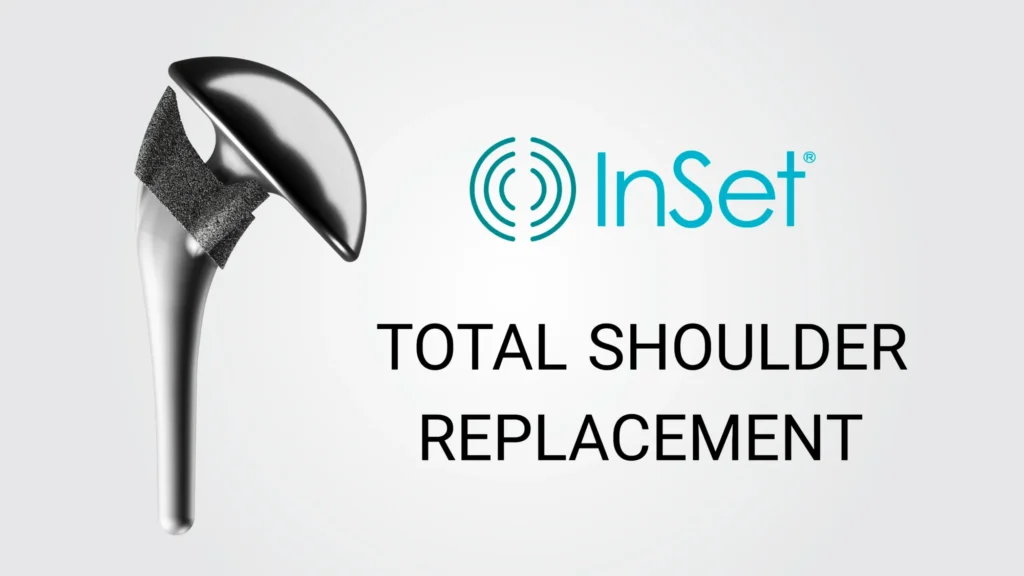
Total shoulder replacement, or total shoulder arthroplasty, involves replacing both the ball (humeral head) and socket (glenoid) portions of your shoulder joint with prosthetic components. This procedure can provide pain relief and restore function when arthritis has caused joint damage.
The surgery removes the damaged bone and cartilage surfaces, replacing them with smooth metal and plastic components that glide smoothly against each other. Many patients experience improvement in their pain levels and ability to perform daily activities. The procedure works best when your rotator cuff tendons remain intact and functional.
Reverse Shoulder Replacement
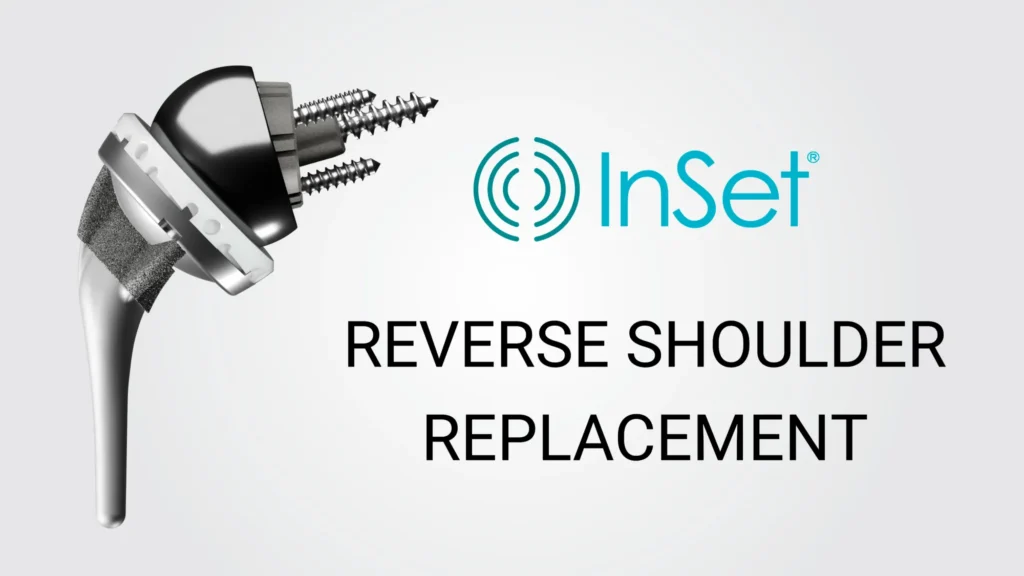
Reverse shoulder replacement represents an innovative approach for patients whose arthritis occurs in combination with rotator cuff damage. This procedure reverses the normal ball-and-socket anatomy of your shoulder, placing a ball component on the shoulder blade and a socket component on the arm bone.
This design allows the deltoid muscle to compensate for a torn or deficient rotator cuff, enabling the shoulder to function more reliably. Reverse shoulder replacement has expanded treatment options for patients who previously had few good surgical alternatives.
Arthroscopic Debridement
In select cases, particularly for younger patients with early arthritis, arthroscopic debridement may be considered. This minimally invasive procedure involves using small instruments inserted through tiny incisions to clean out loose cartilage fragments, inflamed tissue, and bone spurs.
Arthroscopic debridement doesn’t cure arthritis or restore damaged cartilage, but it may temporarily improve symptoms for some patients. The results tend to be less predictable and less durable than joint replacement surgery, making this option more suitable for individuals hoping to delay more extensive surgery.
Summary
Learning how to relieve arthritis pain in the shoulder involves understanding the range of available treatments and working with a qualified doctor to develop a personalized management strategy. For many patients, conservative approaches including physical therapy, anti-inflammatory medications, and lifestyle modifications provide meaningful relief.
For individuals with severe arthritis that significantly impacts their quality of life, surgical options like total shoulder replacement or reverse shoulder replacement may be recommended with the goal of restoring comfort and function. The key lies in matching the right treatment plan to your specific situation, taking into account your arthritis severity, overall health, personal goals, and tolerance for various interventions.
Frequently Asked Questions
What are the early signs of shoulder arthritis?
Early shoulder arthritis often presents with gradual onset of pain that worsens with activity and improves with rest. You might notice stiffness, particularly in the morning or after periods of inactivity. Many people experience reduced range of motion, making it harder to reach behind their back or overhead. A grinding or clicking sensation during movement may also occur as cartilage deteriorates.
How long does it take to recover from shoulder replacement surgery?
Recovery timelines vary considerably between individuals, but many patients begin physical therapy within days of surgery. Initial healing typically takes six to twelve weeks, during which you’ll gradually increase your shoulder’s use under professional guidance. Continued improvement often extends six to twelve months or longer after surgery.
Can exercise make shoulder arthritis worse?
Appropriate exercise generally benefits shoulder arthritis by maintaining flexibility, strengthening supporting muscles, and promoting joint health. However, exercises performed incorrectly or activities that cause pain may potentially aggravate symptoms. Working with a physical therapist ensures you’re performing beneficial exercises properly.
Will I need shoulder replacement surgery eventually?
Not everyone with shoulder arthritis requires surgery. Many individuals manage their symptoms successfully with conservative treatments for years or even decades. The progression of arthritis varies considerably between people, influenced by factors including the arthritis type, your activity level, genetics, and how well you respond to non-surgical treatments. Regular monitoring with your doctor helps assess whether your condition remains stable or progresses to a point where surgical intervention might become beneficial.