
Medically reviewed by Mark A. Schrumpf, MD | Reviewed May 2026
When most people think about shoulder replacement surgery, they picture someone managing the natural wear of a long, active life. The reality is more nuanced. Shoulder replacement in younger patients has become an important conversation. In the right situation, shoulder replacement may offer a path back to comfort, mobility, and quality of life. If you are wondering whether this option might apply to you, I want to walk you through what I typically consider, what surgery and recovery involve, and what realistic expectations look like.
Key Takeaways
- Several conditions, including post-traumatic arthritis, avascular necrosis, and inflammatory arthritis, may damage the shoulder joint earlier in life.
- The type of replacement recommended, whether total or reverse, depends primarily on the health of the rotator cuff and the specific nature of the shoulder condition.
- Modern implant systems, including the InSet® shoulder system, offer design features that may be especially relevant for younger, more active patients.
- Recovery progresses through three structured phases and may take six months to a year or longer to reach full function.
Why Does Shoulder Damage Happen Earlier in Life?
Post-traumatic arthritis is a common reason I may evaluate younger patients for shoulder replacement. This type of arthritis develops after a significant shoulder injury. It might follow a fracture, a severe dislocation, or a rotator cuff tear that gradually changes the way the joint surfaces interact. A shoulder injury at 25 can quietly progress into real arthritis by your 40s, sometimes sooner.
Avascular necrosis, or AVN, is another condition I see in younger shoulders. It occurs when the blood supply to the humeral head becomes disrupted. The humeral head is the ball portion of the shoulder joint. Without adequate blood flow, the bone tissue begins to deteriorate. AVN can develop after trauma, after prolonged use of corticosteroid medications, or in connection with certain systemic medical conditions.
Inflammatory arthritis, including rheumatoid arthritis, is a third pathway I encounter. These conditions cause the body’s immune system to attack the joint lining over time, gradually destroying the cartilage. Shoulder involvement in rheumatoid arthritis can appear earlier and progress more quickly than many patients expect.
In all of these situations, conservative treatments are typically tried first. Physical therapy, activity modification, anti-inflammatory medications, and injections may offer meaningful relief for a period. Surgery enters the conversation only when those options no longer provide adequate control of pain and function.
The Unique Considerations When Evaluating a Younger Shoulder
Shoulder replacement in younger patients presents a different set of considerations than treating older adults. The conversation looks different in a few important ways.
Implant Longevity
This is probably the most important factor I discuss with younger patients. A 45-year-old who has shoulder replacement surgery today may outlive the expected lifespan of the implant, which can increase the likelihood of revision surgery later in life. That creates a real possibility of revision surgery somewhere down the road. Revision surgery means replacing a worn or loosening implant. This does not mean a younger patient should not have the procedure. It means they deserve a clear discussion about what a future revision might involve and what we can do during the initial surgery to make that scenario more manageable if it ever arises.
Activity Level and Demand on the Implant
Younger patients tend to lead more active lives. That is great for overall health, but it places greater mechanical demand on the implant over time. I have honest conversations with my younger patients about activity expectations after surgery. We discuss which activities are generally well-tolerated and which ones could accelerate implant wear or put its longevity at risk.
Bone Quality
Younger patients often have better bone density than older patients. This can work in their favor. Good bone quality allows the implant components to anchor more securely and may support better long-term stability.
Choosing the Right Procedure: Total vs. Reverse Shoulder Replacement
The type of replacement recommended depends primarily on the condition of the rotator cuff and the specific nature of the shoulder pathology.
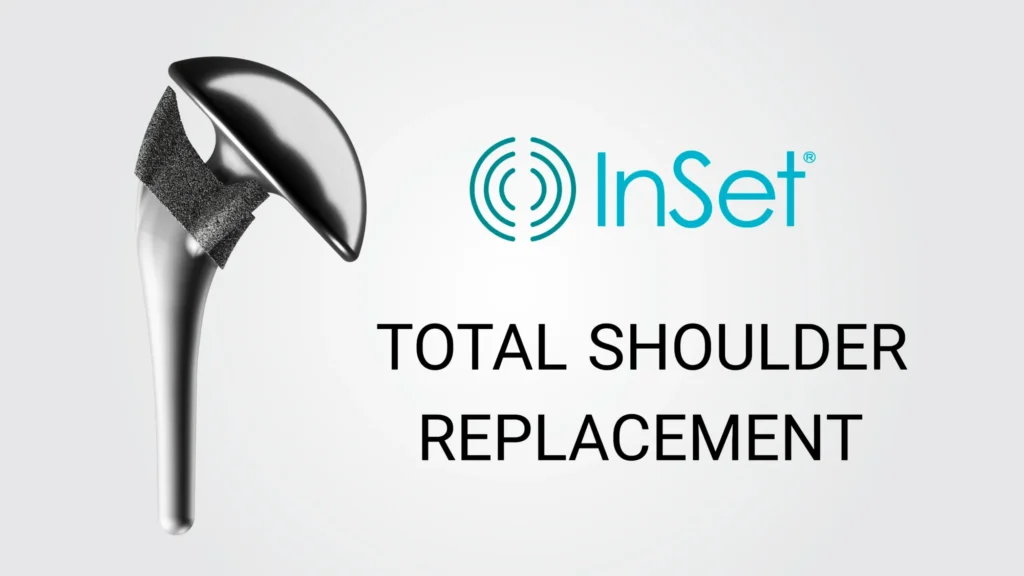
Total shoulder replacement, also called total shoulder arthroplasty, replaces the worn joint surfaces with an artificial metal ball and a plastic socket. This procedure tends to work best when the rotator cuff is still largely intact and functional. For younger patients with post-traumatic arthritis, AVN, or inflammatory arthritis who have a healthy rotator cuff, total shoulder replacement may be an appropriate choice. The goal is to restore a more natural movement pattern while relieving pain.
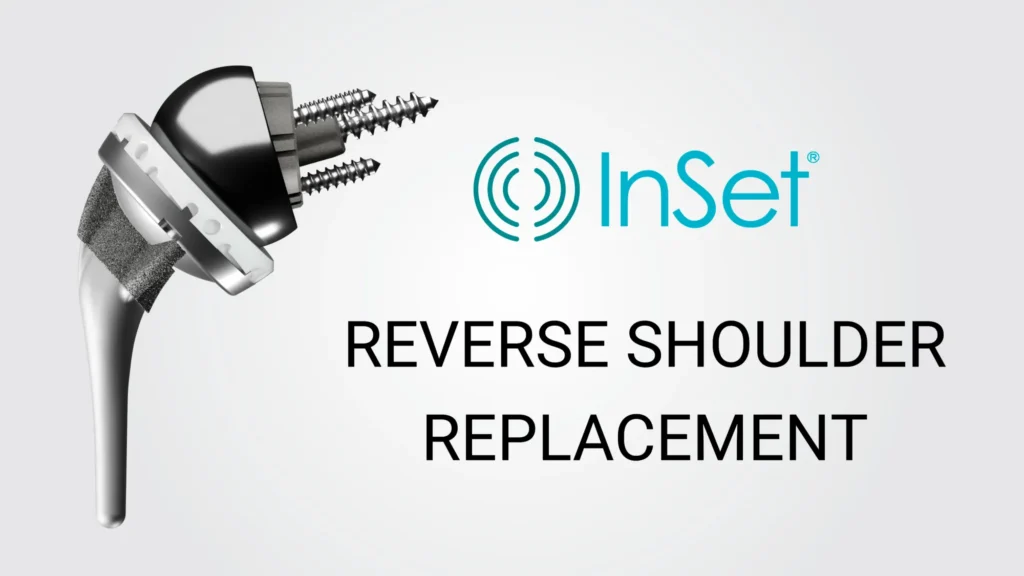
Reverse shoulder replacement takes a different approach. It fundamentally changes the shoulder’s mechanics by flipping the ball-and-socket arrangement. The metal ball is placed on the glenoid side, and the plastic socket is placed on the humeral side. This design allows the deltoid muscle to power arm movement. The rotator cuff no longer needs to do that job. For younger patients, reverse shoulder replacement is less commonly the first recommendation. However, it may be the right option when the rotator cuff is severely torn or cannot be repaired, or in the setting of a complex fracture where other options are not suitable.
How Modern Implant Systems Support Younger Patients
One of the reasons I use the InSet® Total Shoulder and InSet® Reverse Shoulder systems from Shoulder Innovations is the flexibility they offer.
For total shoulder replacement, the InSet® system includes both short-stem and stemless humeral implant options. A stemless design preserves more of the patient’s native bone in the humerus. For a younger patient who may need revision surgery at some point in the future, preserving that native bone can make any future procedure considerably more manageable. The system’s glenoid component is also designed to sit within the native bone rather than on top of it. This approach may help reduce the mechanical stresses that can contribute to glenoid loosening over time.
For reverse shoulder replacement, the InSet® Reverse System offers a broad range of component configurations. That flexibility allows the implant configuration to be tailored to each patient’s anatomy and surgical needs.
What Recovery Looks Like
Phase One: Protecting the Repair
In the weeks immediately following surgery, your arm will be in a sling. The sling protects the newly implanted joint and the healing soft tissues. During this phase, your physical therapist will move your arm for you. These are called passive range-of-motion exercises. You will not be using your own shoulder muscles to lift or rotate the arm yet. Pain management is also a priority.
Phase Two: Starting to Move Actively
Once your surgeon and therapist confirm adequate healing, you may transition into active motion. This is where you begin moving the arm using your own muscles. For total shoulder replacement patients, this phase focuses on restoring natural movement patterns. For reverse replacement patients, this is when the deltoid muscle takes on its new role. Toward the end of this phase, light strengthening and simple functional tasks come back into the picture.
Phase Three: Rebuilding Strength and Function
The final phase is where the meaningful work of restoring strength and endurance happens. Progressive exercises, resistance bands, and functional movements are all incorporated. A return to most normal daily activities is often possible by three to six months. Maximal recovery can take six months to a year or longer. That includes rebuilding maximal strength and functional range of motion. Consistency with rehabilitation is one of the most important factors in achieving the best long-term results.
Life After Shoulder Replacement
The potential upside of shoulder replacement is real. In my practice, I regularly hear from patients who can finally sleep through the night again, reach overhead without bracing for pain, and gradually return to activities they thought they had left behind for good.
At the same time, this is a joint replacement. Certain activity modifications are typically part of the long-term picture. High-impact activities, contact sports, and repetitive heavy lifting may be discouraged, as these can accelerate implant wear. Many patients are able to return to low-impact activities such as golf, swimming, and cycling after recovery, depending on their procedure and individual progress. I will provide specific guidance based on your procedure and how your recovery progresses.
Summary
Post-traumatic arthritis, avascular necrosis, and inflammatory arthritis can all damage the shoulder joint well before traditional retirement age. These conditions can leave some patients without adequate relief from conservative care. When replacement surgery is the right choice, modern implant systems like the InSet® shoulder system offer design features that may be especially meaningful for younger, more active patients. Recovery progresses through structured phases and generally requires six months to a year or longer to reach full function. With realistic expectations, a dedicated commitment to rehabilitation, and close collaboration with an experienced shoulder specialist, many younger patients go on to achieve meaningful pain relief and improved function.
Frequently Asked Questions
Am I too young for a shoulder replacement?
Age alone does not determine whether shoulder replacement is appropriate. What matters most is the severity of your shoulder condition, whether conservative treatments have provided adequate relief, and the impact pain and limited function are having on your daily life.
Will I need another shoulder replacement in the future?
It is possible, and this is an important part of the conversation I have with every younger patient before surgery. Younger patients have longer life expectancies, which increases the statistical likelihood of needing a revision procedure at some point. Bone-preserving implant options may help make any future revision surgery more manageable.
What activities can I return to after shoulder replacement?
Many patients can return to low-impact activities such as golf, swimming, and cycling after a full recovery. High-impact activities, contact sports, and repetitive heavy lifting are generally discouraged, as they may accelerate wear on the implant over time. Your surgeon will provide personalized recommendations based on your specific procedure, your anatomy, and how your recovery progresses.