
If you have built your lifestyle around staying active, a shoulder arthritis diagnosis can feel like a real setback. Maybe you play tennis on weekends, hit the golf course regularly, swim laps, or work out consistently at the gym. In this post, I will cover how arthritis develops in the shoulder in active adults, what non-surgical options can offer, and when it may make sense to consider surgical treatment.
Key Takeaways
- Shoulder arthritis in active adults can develop from cumulative wear, prior injuries, or natural joint aging, even in people who exercise regularly.
- Early symptoms may include stiffness, a deep aching pain, and reduced range of motion during activity.
- Non-surgical care, including physical therapy, activity modification, and injections, may help manage symptoms for a period of time.
- When conservative measures are no longer enough, total shoulder replacement or reverse shoulder replacement may be considered.
Understanding Shoulder Arthritis
The shoulder is a ball-and-socket joint. The top of your upper arm bone (the humerus) forms the ball, and the shoulder blade provides the socket, a shallow cup called the glenoid. A smooth layer of cartilage covers both surfaces. That cartilage acts like a cushion, allowing your arm to move freely and without friction.
Shoulder arthritis develops when that cartilage gradually wears down. As it thins and breaks apart, the surfaces that used to glide smoothly begin to rub against each other. That friction can cause pain, stiffness, and the telltale grinding sensation many of my patients describe. Over time, the joint may become noticeably less mobile, and activities that once felt effortless can start to feel labored.
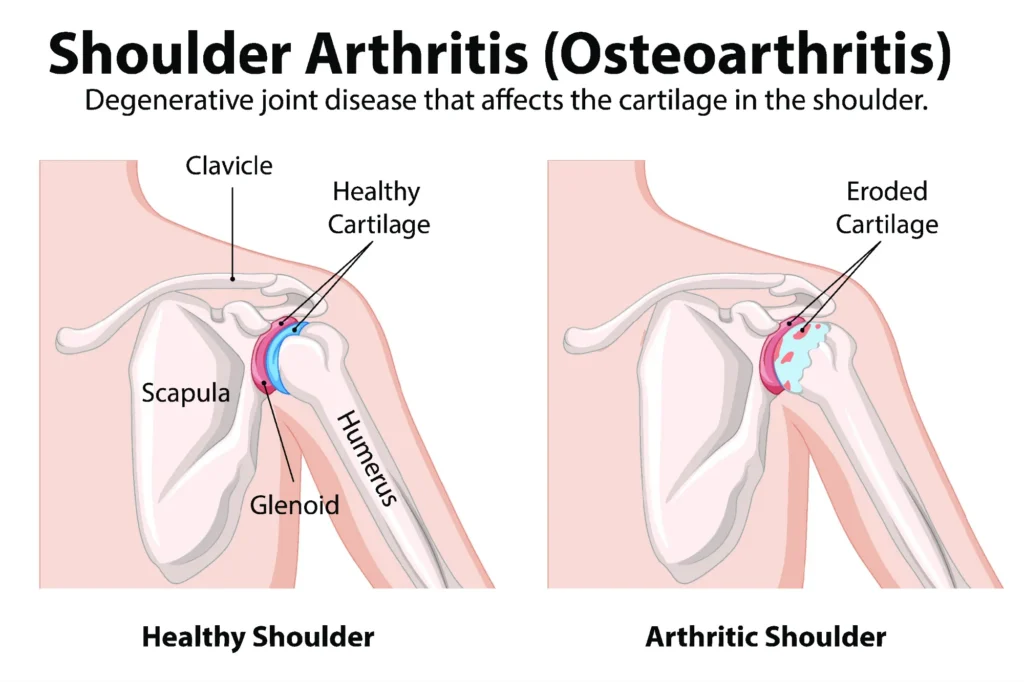
The most common form is osteoarthritis, which tends to develop gradually over years of use. Post-traumatic arthritis may follow a previous shoulder injury, such as a fracture, dislocation, or significant rotator cuff tear, that changes how the joint surfaces interact. Rheumatoid arthritis, an autoimmune condition, can also affect the shoulder.
Why Active Adults Are Not Immune
Staying physically active is generally great for joint health. Regular, low-impact movement supports muscle strength around the shoulder, helps maintain range of motion, and may even help slow the progression of early arthritis. But being active does not make you immune to developing it.
For some active adults, years of repetitive overhead motion can place cumulative stress on the cartilage. Additionally, if you have had a shoulder injury in the past, or a prior shoulder surgery, your risk for post-traumatic arthritis may be somewhat higher. And sometimes arthritis develops largely because of genetics, regardless of how well you have treated your joints.
What I frequently see in active patients is that they push through discomfort longer than they probably should. That tendency is understandable. You are used to working through soreness, and you do not want to slow down. But there is a meaningful difference between expected muscle fatigue after exercise and the deeper, more persistent ache of joint arthritis.
Recognizing the Signs and Symptoms
Shoulder arthritis in active adults often begins subtly. Your golf swing might feel slightly off. You may notice morning stiffness that eases up after a cup of coffee. Overhead motions could start to feel a little catchy.
Over time, symptoms generally progress. Pain may start showing up earlier during workouts, and recovery after activity can take longer. Common symptoms include:
- A deep, aching pain in the joint during or after activity
- Stiffness, particularly in the morning or after periods of rest
- A grinding, clicking, or catching sensation with movement
- Reduced range of motion, especially with reaching or rotating
- Pain that disrupts sleep, often worsened by lying on the affected side
Some patients describe the feeling as a joint that no longer moves quite like it used to. For active adults, that subtle shift can have a big impact on your performance, your confidence, and your enjoyment of the activities that keep you balanced.
Getting an Accurate Diagnosis
If you suspect shoulder arthritis, a thorough evaluation is a helpful first step. An experienced shoulder specialist will typically start with a careful conversation about your symptoms. We often ask about your activity level, prior injuries, and what kinds of movements tend to trigger pain.
A focused physical exam usually follows. Imaging may include X-rays, which can show joint space narrowing and bony changes suggestive of arthritis. In some cases, additional imaging like an MRI may be helpful to evaluate the rotator cuff and surrounding soft tissues. That fuller picture can help guide the most appropriate treatment recommendations for your situation.
Non-Surgical Options for Managing Symptoms
Depending on the condition of the shoulder, conservative treatments may be recommended before surgery is considered. The goal of non-surgical care is to reduce pain, preserve function, and help you maintain the lifestyle you want.
Physical Therapy
Physical therapy is often the foundation of non-surgical care. A skilled therapist can help strengthen the rotator cuff and the muscles around the shoulder blade. Stronger muscular support around the joint may reduce the load on the arthritic surfaces, which can translate to less pain during activity. Therapy may also help you maintain your range of motion. For active adults, this often includes sport-specific or activity-specific adjustments, including tweaks to your form or technique that help reduce joint stress.
Activity Modification
This is not the same as stopping activity altogether. It typically means adjusting the type, intensity, or frequency of what you are doing. High-impact or heavily overhead-focused activities tend to place more stress on the shoulder joint. Swapping or supplementing those with lower-impact alternatives, like adding cycling or swimming on days when the shoulder needs a break, may help manage symptoms while keeping you moving.
Small changes often add up. Shifting some workouts toward lower-body work can give the shoulder a break. Adjusting your grip or stance in your sport may also help. Reducing the number of overhead reps in a gym session is another simple modification that may help reduce flare-ups.
Medications and Injections
Over-the-counter anti-inflammatory medications (NSAIDs) may help manage pain and swelling. They are generally considered a short-term tool. Corticosteroid injections into the joint may provide temporary relief and give you a window to engage more fully with physical therapy. These tools do not repair cartilage.
When It May Be Time to Consider Surgery
Shoulder arthritis may progress over time. For some patients, a point eventually arrives where conservative care simply is not providing enough relief. A few signs may suggest it is time to consider surgery. Pain that disrupts sleep on a regular basis is a common one. Limitations that interfere with basic daily activities are another. A meaningful drop in your quality of life is perhaps the most important. If you have been pulling back from activities you love, and non-surgical options are not bridging the gap, a conversation about surgery may be worthwhile.
Total Shoulder Replacement
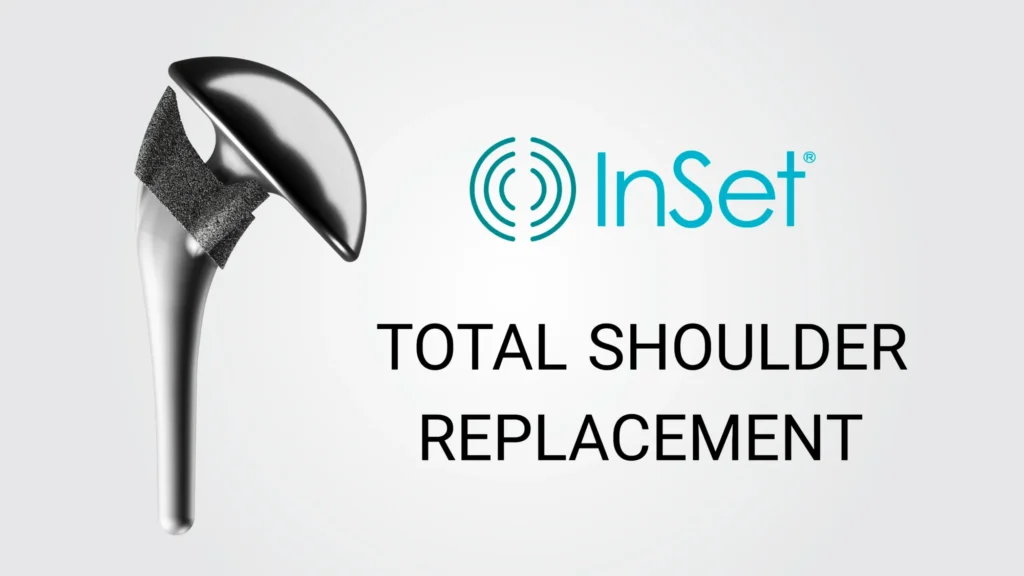
Total shoulder replacement, sometimes called anatomic shoulder arthroplasty, is one of the most established surgical treatments for severe shoulder arthritis. During the procedure, a surgeon replaces the damaged joint surfaces with prosthetic components designed to mirror the natural shape of your shoulder.
Total shoulder replacement tends to work well for patients whose rotator cuff is still intact. The rotator cuff is a group of tendons and muscles that help stabilize and move the joint. When the rotator cuff is healthy, a total shoulder replacement may provide meaningful pain relief and help restore a functional range of motion. Results vary by individual, but many patients find they can eventually return to golf, swimming, hiking, and similar lower-impact pursuits after recovery.
Reverse Shoulder Replacement
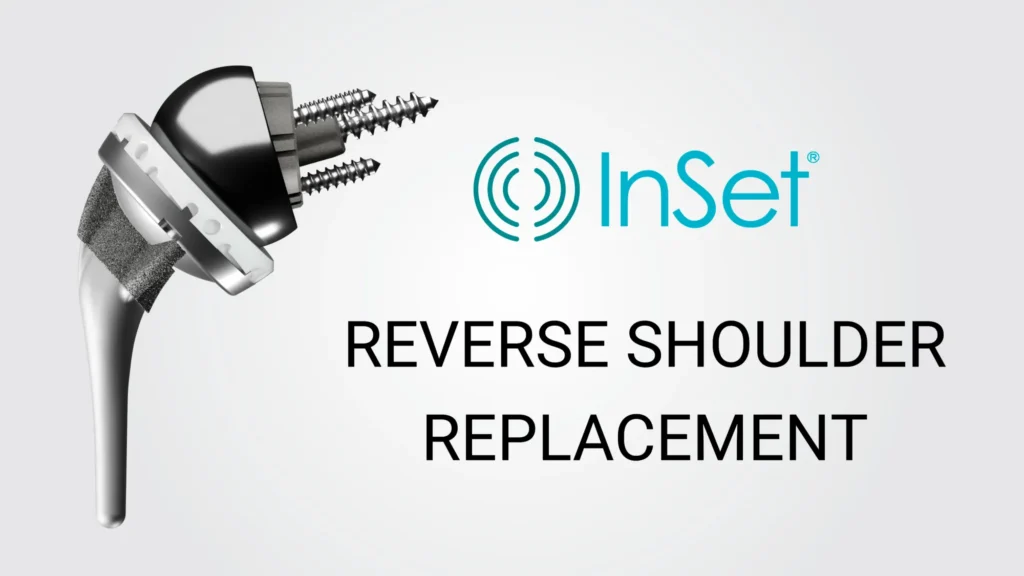
Reverse shoulder replacement may be recommended when shoulder arthritis occurs alongside a large, irreparable rotator cuff tear, a condition sometimes called cuff tear arthropathy. It may also be considered in certain complex fractures or cases where prior surgery has limited other options.
The reverse design flips the position of the ball and socket. The ball component is placed on the socket side, and the socket component is placed on the arm bone side. This configuration allows the deltoid muscle, rather than the rotator cuff, to power much of the arm’s movement.
For active patients dealing with rotator cuff dysfunction in combination with arthritis, a reverse shoulder replacement may provide a meaningful option for pain relief and improved function. As always, your surgeon will evaluate your specific anatomy and goals before recommending a particular approach.
Returning to an Active Life
One of the most encouraging aspects of modern shoulder replacement surgery is the potential to return to an active lifestyle. Many patients eventually return to golf, swimming, cycling, hiking, and similar activities after they have fully recovered.
Certain higher-impact or repetitive overhead activities may need to be modified, and your surgeon will provide guidance based on your procedure and individual progress. Contact sports and heavy repetitive overhead lifting are generally discouraged after shoulder replacement. Low-impact activities, on the other hand, are often well-tolerated.
Recovery takes time. Many patients begin noticing meaningful improvements within three to six months, though maximal recovery can extend out to a year or more. A thoughtful rehabilitation program, realistic expectations, and consistent follow-up all contribute to a strong outcome.
Summary
Shoulder arthritis in active adults can feel like a frustrating diagnosis, but it is one we have more tools to address than ever before. Non-surgical care, including physical therapy, activity modification, and injections, can help many patients manage symptoms and stay engaged with the activities they love. When those measures are no longer enough, total shoulder replacement or reverse shoulder replacement may be considered.
Frequently Asked Questions
Can I keep exercising if I have shoulder arthritis?
In most cases, yes, though the type of exercise may need some adjustment. Low-impact activities like swimming, cycling, and walking are often well-tolerated and may even help maintain joint health. A shoulder specialist or physical therapist can help tailor specific recommendations based on your situation and activity goals.
Does being active speed up shoulder arthritis?
Regular, moderate activity is not generally thought to accelerate arthritis in a healthy joint. However, repetitive overhead motion, heavy loading, or prior shoulder injuries can contribute to cartilage wear over time. The answer often depends on the nature and intensity of the activity, as well as your individual anatomy and history.
How will I know when it is time to consider shoulder surgery?
It may be time to consider surgery when conservative treatments no longer control your pain, your sleep is regularly disrupted, or your quality of life is significantly affected by shoulder limitations. A shoulder specialist can evaluate your symptoms, imaging, and goals to help you decide if surgery is the right next step for you.
Will I be able to return to sports after a shoulder replacement?
Many patients return to low-impact sports and recreational activities after shoulder replacement, including golf, swimming, and hiking. Higher-impact or contact sports may need to be modified or avoided. Your surgeon will provide personalized recommendations based on your specific procedure and recovery progress.