
When chronic shoulder pain is interfering with your quality of life and conservative treatments haven’t provided relief, your doctor may recommend shoulder replacement surgery. Understanding how to prepare for shoulder replacement surgery can support your recovery and overall experience.
Key Takeaways
- Pre-surgical preparation begins several weeks before your operation with physical conditioning, lifestyle modifications, and medical clearances.
- Arranging home assistance, modifying your living space, and preparing recovery supplies ahead of time may make rehabilitation smoother.
- Following pre-operative instructions carefully regarding fasting and medications is important for safety.
Understanding Your Shoulder and When Replacement Becomes Necessary
Your shoulder is one of the most complex and mobile joints in your body, composed of three bones: the humerus (upper arm), scapula (shoulder blade), and clavicle (collarbone). It functions as a ball-and-socket joint, with the humeral head forming the ball and the glenoid serving as the socket. Both surfaces are normally covered with smooth articular cartilage that allows pain-free movement.
When this cartilage wears away due to arthritis, injury, or rotator cuff damage, you may experience pain and limited mobility. Over time, the cartilage can thin and break down completely. Several conditions may lead to shoulder replacement, including osteoarthritis, rheumatoid arthritis, post-traumatic arthritis, and severe rotator cuff tears. When a rotator cuff tear combines with arthritis, this condition is called cuff tear arthropathy.
Types of Shoulder Replacement: Total vs. Reverse
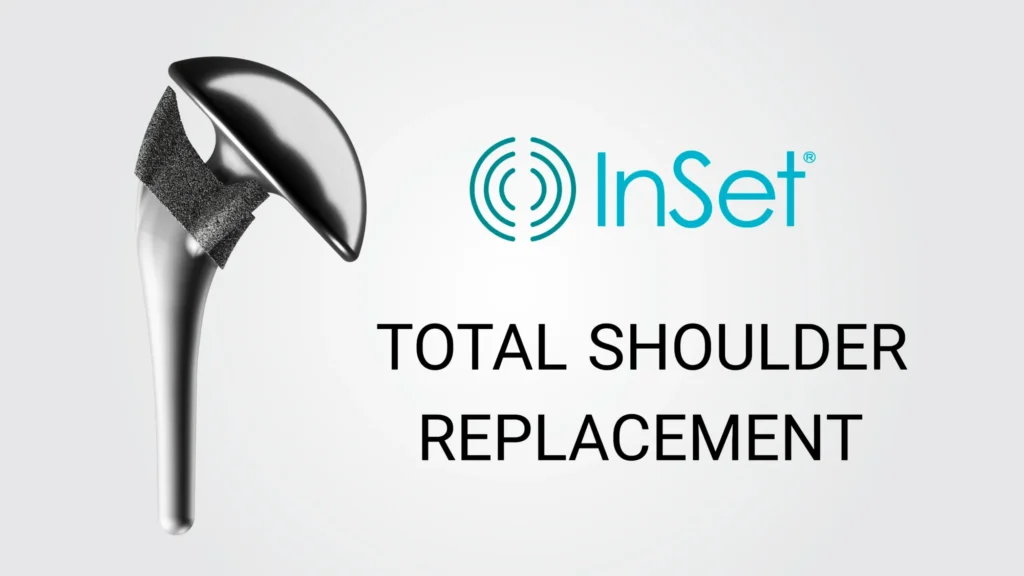
Total shoulder replacement (anatomic) replaces both the humeral head and glenoid surface with artificial components that mimic your natural anatomy. This can work well when the rotator cuff remains intact and can still stabilize and move the joint.
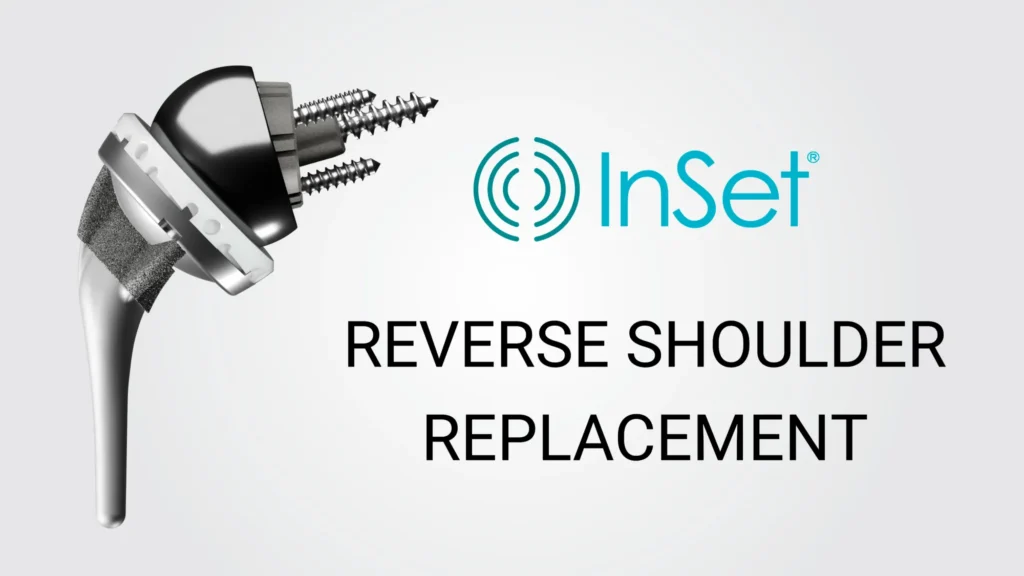
Reverse shoulder replacement reverses the natural anatomy, so the ball component is placed on the glenoid while the socket goes on the humeral side. This design allows the deltoid muscle to compensate when the rotator cuff is severely damaged or torn beyond repair. Surgeons often recommend reverse replacement for patients with large rotator cuff tears, cuff tear arthropathy, or complex fractures.
Both procedures aim to relieve pain and restore function. An experienced shoulder surgeon can help determine which approach is most appropriate for you, as well as discuss the risks and benefits of undergoing surgery.
The Pre-Surgical Consultation Process
During your initial consultation, your doctor will review symptoms, medical history, and perform a thorough physical examination. You may undergo imaging studies including X-rays, and possibly an MRI to assess soft tissue or a CT scan for detailed bone anatomy.
These studies help your surgeon understand what’s causing your shoulder problems and determine the best surgical approach. Before surgery is scheduled, you’ll typically try conservative treatments first, including physical therapy, activity modifications, and medications. When these non-surgical approaches no longer provide adequate relief, surgery may become the next step.
Weeks Before Surgery: Physical and Medical Preparation
Once surgery is scheduled, preparation begins weeks in advance. Your surgeon will likely ask you to perform specific exercises to strengthen the surrounding muscles.
Your surgeon may recommend stopping smoking before surgery, as smoking has been associated with a higher risk of post-operative complications. Alcohol consumption should also be limited or eliminated in the weeks leading up to surgery, as it may interfere with anesthesia and medications.
Have an honest conversation with your surgeon about all medications you’re currently taking. Certain medications may need adjustment or temporary cessation. Never stop taking prescribed medications without your doctor’s guidance.
Advanced Implant Technology: What You Should Know
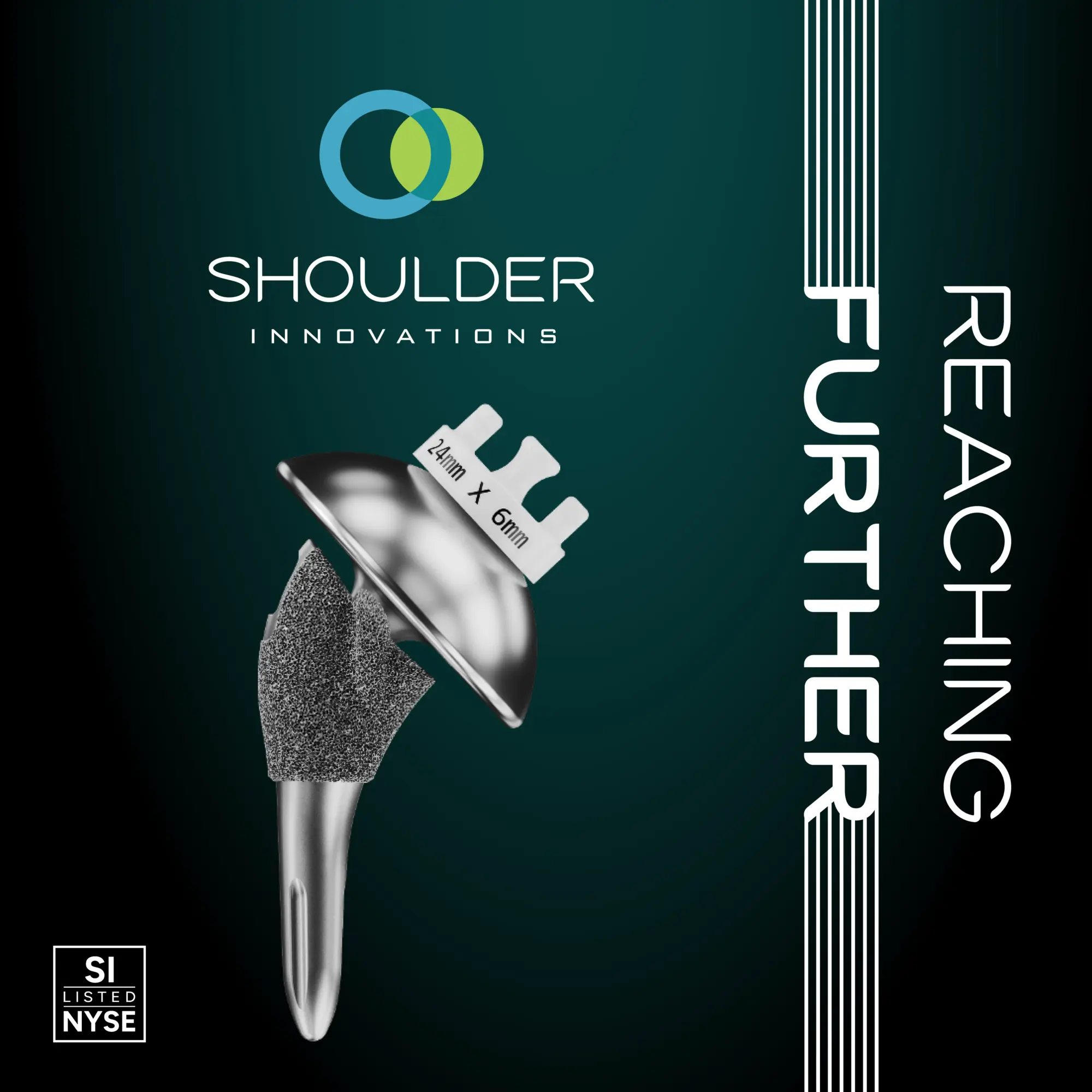
Modern shoulder replacement has advanced significantly over time. Today’s implants are designed to relieve pain, restore natural shoulder anatomy, preserve bone for potential future surgeries, and help you return to an active lifestyle. For example, some surgeons may use implant systems like InSet® technology, designed to help preserve bone and improve durability. Your surgeon will select the specific implant and size based on your unique anatomy and condition, whether short-stem, stemless, or other designs, depending on factors like bone quality, age, and the specific nature of your shoulder problem.
Preparing Your Home for Recovery
Preparing for shoulder replacement surgery extends beyond the operating room. Your home environment can significantly affect your comfort and safety during recovery. If possible, set up a recovery station on your home’s main floor, as climbing stairs may be difficult in the early weeks.
Arrange bedroom essentials within easy reach, including your phone, medications, and water on a nightstand. Many patients find it more comfortable to sleep in a recliner or with a wedge pillow during the initial recovery period.
Simple bathroom modifications can also improve safety. Installing grab bars near the toilet and in the shower may help with stability, and a shower chair allows for safer bathing. A long-handled sponge can make personal hygiene easier when your shoulder mobility is limited.
In the kitchen, move frequently used items to the counter level to avoid reaching overhead. Stock easy-to-prepare foods and consider using disposable plates to reduce lifting and cleanup.
Finally, having adaptive equipment on hand can make daily tasks more manageable. Reacher tools help pick up items from the floor, while button hooks and elastic shoelaces simplify dressing. Button-up shirts and slip-on shoes are typically easier to wear during early recovery.
Arranging for Help and Support
Arrange for someone to drive you home from surgery. Having someone stay with you for at least the first few days is highly recommended for meal preparation, medication reminders, and household tasks. Consider hiring professional care if family or friends are not available.
The Day Before Surgery: Final Preparations
Your surgeon will provide fasting instructions, typically requiring you to stop eating solid foods after midnight. You may be allowed clear liquids up to a few hours before. Follow these guidelines exactly.
You may receive a special antimicrobial soap for showering ahead of surgery. Remove all jewelry and nail polish. Don’t apply lotions, perfumes, or deodorants. Finally, prepare what you’ll bring: photo ID, insurance cards, medication list, loose button-up shirt, slip-on shoes. Leave valuables at home.
Surgery Day: What to Expect
Arrive at the scheduled time, typically for around two hours before surgery. This allows time for registration, changing into a surgical gown, IV placement, and final consultations.
A nurse will start your IV and may give you antibiotics. Shoulder replacement is usually performed under general anesthesia. Many surgeons also administer a nerve block that provides pain relief for 12 to 24 hours after surgery.
The procedure typically takes one to two hours. After surgery, you’ll wake up in the recovery area with your arm in a sling. Before discharge, your surgeon will explain how the surgery went. A therapist may teach you initial gentle exercises and proper sling use. Your discharge nurse will review all instructions including medications, wound care, activity restrictions, and warning signs of complications.
Initial Recovery: The First Few Weeks
Expect some pain during the initial post-operative period. Your surgeon may prescribe medication, so take it as directed. Wear your sling as instructed, typically around four to six weeks. Keep your incision clean and dry. Never submerge your shoulder in water until cleared.
Physical Therapy
Physical therapy is often a key component of shoulder replacement recovery. Your rehabilitation program will likely begin within days of surgery with gentle passive exercises, movements performed with your therapist’s assistance or your other arm. Early exercises typically focus on preventing stiffness while protecting the healing surgical site. As weeks progress, your therapist may gradually introduce more active exercises that strengthen surrounding muscles. This progression is carefully timed to match tissue healing.
Summary
Weeks before surgery, you may be advised to start conditioning exercises, quit smoking, limit alcohol, and take care of your health. Arrange your home for one-armed function, stock necessary supplies, and secure help for initial recovery. Follow pre-operative instructions precisely regarding fasting and medications. After surgery, wear your sling as directed, manage pain appropriately, and begin physical therapy when recommended.
Frequently Asked Questions
When can I shower after surgery?
Many patients are allowed to shower within a few days of surgery, but this depends on your surgeon’s specific instructions and the type of dressing used. In most cases, the incision should be kept clean and dry, often by covering it with a waterproof dressing. Submerging the shoulder in water is typically restricted until the incision has fully healed and your surgeon confirms it is safe.
How much pain will I experience?
It’s normal to experience pain and soreness in the first few days and weeks following shoulder replacement surgery. Pain is often most noticeable early on and gradually improves over time. Modern pain management strategies, which may include oral medications, ice therapy, and nerve blocks, are designed to keep discomfort manageable.
When can I return to work and daily activities?
The timeline for returning to work depends on the nature of your job and your recovery progress. Patients with desk-based or sedentary jobs may return within a few weeks, while those with physically demanding jobs may require several months. Everyday activities such as dressing, eating, and light household tasks can often be resumed gradually with modifications and adaptive tools.