
Medically reviewed by Mark A. Schrumpf, MD
Avascular necrosis is one of the conditions I treat. Unlike wear-and-tear arthritis, it starts with a problem inside the bone itself: the ball of the shoulder loses part of its blood supply. Avascular necrosis shoulder treatment can range from nonsurgical care to joint replacement, and where a patient lands on that spectrum depends largely on how far the bone has changed.
Key Takeaways
- Avascular necrosis happens when blood flow to the ball of the shoulder is disrupted, which can cause the bone to weaken and collapse.
- Shoulder injuries, long-term corticosteroid use, and certain medical conditions are among the known risk factors.
- Avascular necrosis shoulder treatment depends on the stage, and shoulder replacement may be recommended once the joint surface has collapsed.
What Is Avascular Necrosis of the Shoulder?
Avascular necrosis, also called osteonecrosis, occurs when the blood supply to the head of the humerus is disrupted. The humeral head is the ball of the ball-and-socket shoulder joint. Bone needs a steady blood supply to stay healthy. Without it, the bone tissue weakens and, over time, can collapse.
When the bone beneath the cartilage gives way, the smooth joint surface becomes uneven. That may damage the cartilage and lead to arthritis.
What Causes It?
Several factors may interrupt blood flow to the humeral head:
- Injury: A fracture or dislocation near the top of the arm bone may damage the small blood vessels that feed the ball.
- Corticosteroid medications: Prolonged use of steroid medicines is a well-recognized risk factor.
- Certain medical conditions: Conditions such as sickle cell disease have been linked to osteonecrosis.
- Heavy alcohol use: Long-term heavy drinking is also associated with a higher risk.
In some patients, no clear cause turns up.
Symptoms to Watch For
In the earliest stages, avascular necrosis may cause few symptoms or none at all. As it progresses, pain deep in the shoulder is commonly the first sign. That pain tends to build gradually and can worsen with activity or at night.
As the bone changes, stiffness and loss of motion often follow. Some patients notice clicking or catching once the joint surface becomes uneven.
How It’s Diagnosed
Diagnosis starts with a careful history and exam. I ask about past injuries, medications, and other health conditions, since they help point toward the cause.
X-rays are typically the first imaging test. In early avascular necrosis, though, X-rays may look normal. An MRI can often detect changes in the bone before they show up on an X-ray. If an earlier X-ray looked normal but the pain hasn’t let up, that alone is a reason to take a second look. Specialists stage the condition based largely on whether the bone has collapsed and whether the socket is also involved.
Why Timing Matters
Because avascular necrosis tends to progress in stages, I prefer to evaluate it sooner rather than later. While the bone is still intact, there is more room to focus on protecting the joint. After collapse, the conversation usually shifts toward replacement.
I also ask whether other joints, like the hips, have given you trouble. Some of the same risk factors can affect more than one joint, and knowing the full picture helps me plan treatment that fits your health as a whole.
Avascular Necrosis Shoulder Treatment Options
Treatment depends on the stage. When the bone has not collapsed, the goal is to protect the joint and manage symptoms. Early-stage care may include:
- Activity changes: Avoiding heavy lifting and repetitive overhead work can ease strain on the shoulder.
- Physical therapy: Gentle exercises may help maintain motion and keep the surrounding muscles strong.
- Medication: Anti-inflammatory medicines are one option for pain relief.
In select early cases, joint-preserving procedures are sometimes discussed, though they are not right for everyone. Once the humeral head has collapsed and arthritis has set in, nonsurgical care tends to provide less relief. At that point, shoulder replacement becomes a reasonable option to consider.
When the rotator cuff is healthy, total shoulder replacement is my usual approach for avascular necrosis. The procedure replaces the damaged ball and socket with a metal ball and a plastic socket. If the rotator cuff is torn or not working well, a reverse shoulder replacement may be the better fit.
What I See in My Patients
Avascular necrosis sometimes shows up in patients who are younger than the typical shoulder replacement patient. Many are working, raising families, or staying active, and they want to know how long an implant will last. Those concerns shape much of my conversation about shoulder replacement in younger patients.
Because of that, I talk through implant longevity, activity expectations, and the possibility of a revision surgery down the road before we decide anything. I would rather a patient hear those trade-offs from me up front.
My Approach to Treatment
I completed my residency at the Hospital for Special Surgery in New York and my shoulder and elbow fellowship at the San Francisco Shoulder, Elbow and Hand Clinic. I see patients in San Francisco and San Rafael and serve on the medical staff at California Pacific Medical Center.
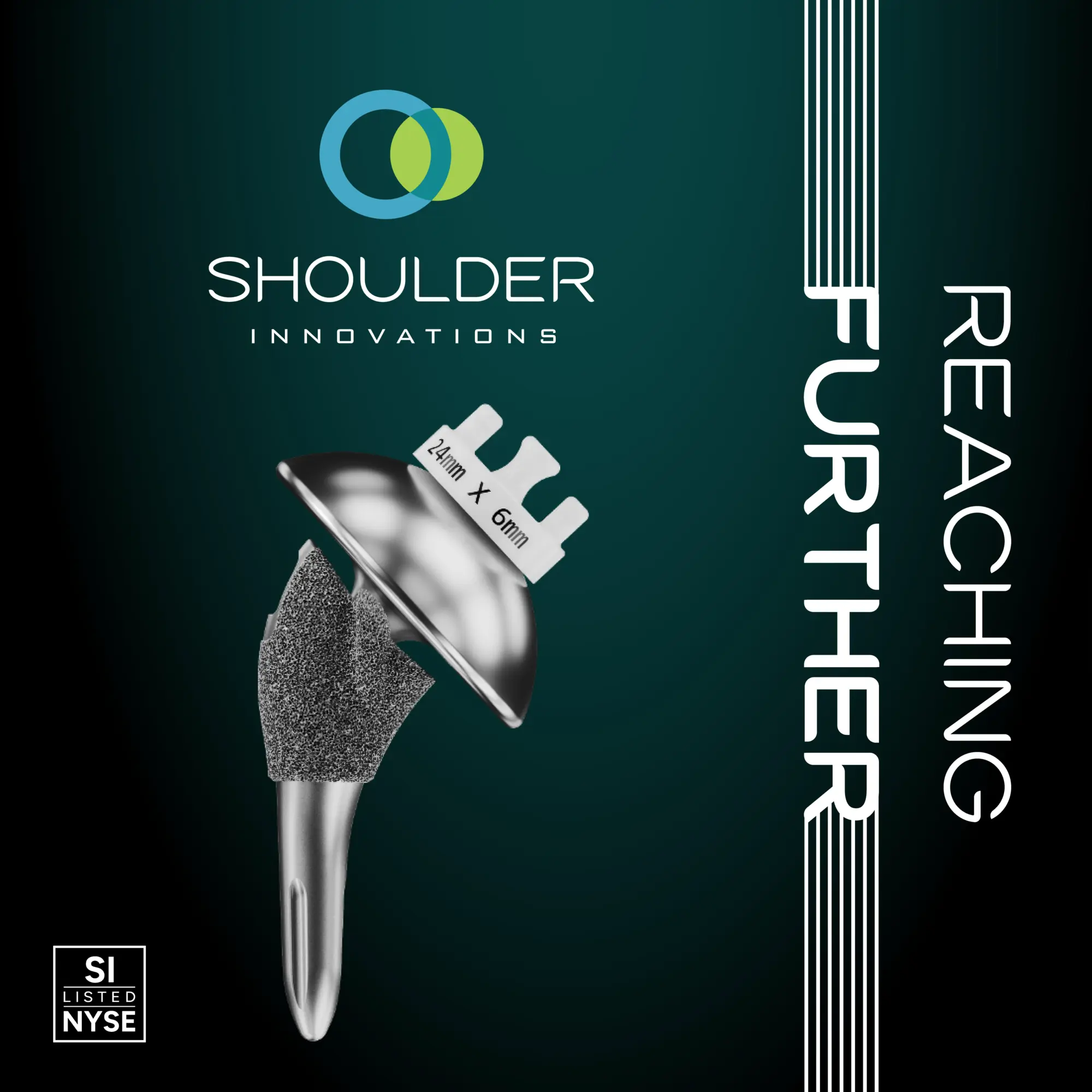
For total shoulder replacement, I use the InSet® Total Shoulder System from Shoulder Innovations. It includes short-stem and stemless options for the arm bone. A stemless design preserves more of the patient’s own bone, which may make a future revision more manageable. The glenoid component sits within the native bone rather than on top of it, a design intended to reduce the stresses that can contribute to loosening.
Timelines may vary between patients, but recovery follows a gradual progression. After total shoulder replacement, the arm rests in a sling for roughly the first four to six weeks, and gentle passive motion usually starts within the first week. Active motion follows around six weeks, and strengthening generally begins around three months. Many patients resume light daily activities within a few months and return to most normal activities by three to six months, while full strength and function can take six months to a year or longer.
Summary
Avascular necrosis of the shoulder occurs when the ball of the joint loses part of its blood supply, which can lead to collapse and arthritis. Injuries, corticosteroid use, and certain medical conditions are known risk factors. Avascular necrosis shoulder treatment ranges from nonsurgical care in the early stages to total or reverse shoulder replacement once the joint surface has collapsed.
If you’ve been diagnosed with avascular necrosis or have deep shoulder pain without a clear cause, request an evaluation.
Frequently Asked Questions
Can avascular necrosis of the shoulder heal on its own?
Bone that has lost its blood supply generally does not recover fully on its own. In early stages, though, symptoms are often manageable for a long time with nonsurgical care, and the bone may never progress to collapse.
Is avascular necrosis the same as arthritis?
Not exactly. Avascular necrosis is a problem with the bone’s blood supply. Arthritis can develop later if the bone collapses and damages the cartilage on the joint surface.
Will I need a total or reverse shoulder replacement?
That depends largely on your rotator cuff. If it’s healthy, a total shoulder replacement is typically the first choice for avascular necrosis. If the cuff is torn or not working well, a reverse replacement is generally the better option.
How long is recovery after shoulder replacement for avascular necrosis?
Recovery varies. Many patients return to most normal activities by three to six months, and reaching full strength and function may take six months to a year or longer.