
When researching total vs. reverse shoulder replacement, you may run into medical terminology that feels overwhelming, and it isn’t always easy to see how those differences may apply to your own situation. My goal with this post is to walk you through what sets these two procedures apart, who tends to benefit from each one, and how I approach that decision with my patients.
Key Takeaways
- Total shoulder replacement (also called anatomic shoulder arthroplasty) replaces the damaged joint surfaces and is generally recommended when the rotator cuff is still functional.
- Reverse shoulder replacement uses a different implant design, flipping the ball-and-socket orientation, and may be recommended when the rotator cuff is severely damaged or cannot be repaired.
- The right procedure depends on several factors, including the condition of your rotator cuff, the type and severity of arthritis, your age, bone quality, and your activity goals.
- Both procedures aim to offer meaningful pain relief and improved function, but recovery and long-term activity expectations may differ between the two.
Understanding the Shoulder Joint
Your shoulder is a ball-and-socket joint. The “ball” is the rounded top of your upper arm bone, called the humerus, and the “socket” is a shallow, cup-shaped surface on your shoulder blade called the glenoid. Both surfaces are lined with smooth articular cartilage, which allows the joint to glide and rotate with very little friction.
Surrounding the joint is the rotator cuff: a group of four muscles and their tendons that attach the humerus to the shoulder blade. The rotator cuff does two very important things. It keeps the ball centered in the socket, and it helps power and control arm movement. When the rotator cuff is intact and functioning well, the shoulder can move through a wide range of motion with both stability and strength.
When arthritis wears away the cartilage over time, or when a rotator cuff tear goes unrepaired for an extended period, the joint may gradually break down. The type of damage present, and specifically whether the rotator cuff is still functional, tends to be an important factor in deciding which type of shoulder replacement makes the most sense for a given patient.
What Is Total Shoulder Replacement?
Total shoulder replacement, sometimes called anatomic total shoulder arthroplasty, is the more traditional of the two procedures. During surgery, I replace the damaged ball with a smooth metal implant and the worn socket with a new plastic component. The goal is to replicate, as closely as possible, the natural anatomy of your shoulder.
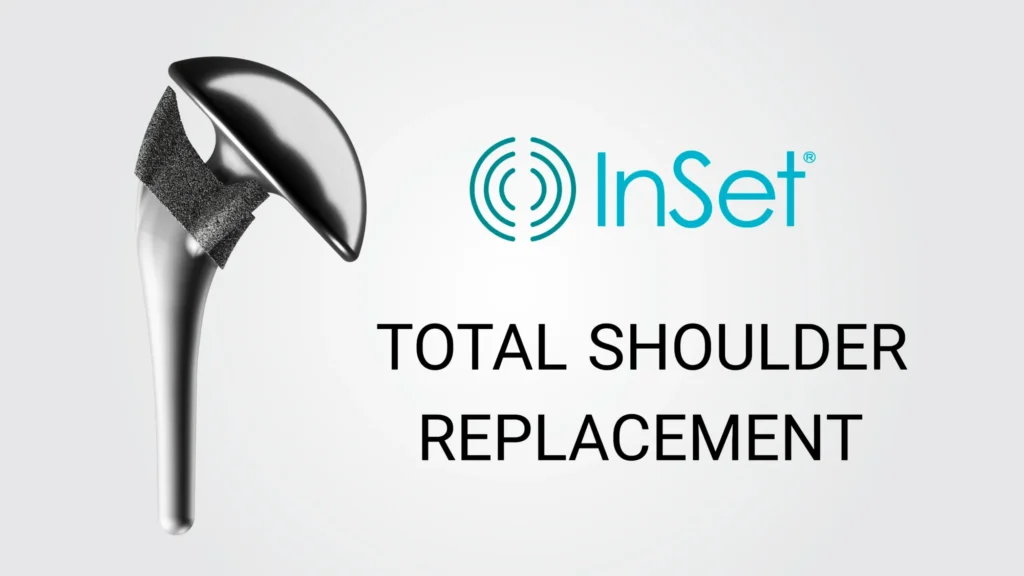
Because this procedure preserves the natural ball-and-socket orientation, it relies on the rotator cuff to help stabilize and move the new joint, just as it would in a healthy shoulder. When the rotator cuff is intact, the mechanical environment may be well-suited for this type of implant.
Total shoulder replacement tends to work best for patients with glenohumeral arthritis, the most common type being osteoarthritis, paired with a rotator cuff that is still structurally sound. After completing recovery, many patients find they can return to activities like golf, swimming, gardening, and other low-impact pursuits that shoulder pain had previously taken off the table.
Who May Be a Good Candidate for Total Shoulder Replacement?
While every patient is unique, total shoulder replacement may be worth considering for someone who:
- Has significant shoulder arthritis (osteoarthritis, post-traumatic arthritis, or inflammatory arthritis) that has not responded adequately to conservative treatments like physical therapy, medications, or injections
- Has a functioning rotator cuff, or a rotator cuff tear that can be repaired at the time of surgery
- Experiences chronic shoulder pain that affects sleep, daily tasks, or overall quality of life
- Is in generally good health for surgery and has realistic expectations about the recovery process
Age is a consideration, but it’s not the only determining factor. What matters most is the overall clinical picture: your anatomy, your general health, and what you’re hoping to get back to.
What Is Reverse Shoulder Replacement?
Reverse shoulder replacement uses a fundamentally different implant design. As the name suggests, it reverses the ball-and-socket orientation. In this configuration, the ball component is placed on the socket side (the glenoid), and the cup component is placed on the arm bone side (the humerus). It might sound counterintuitive, but there is an important mechanical reason for this design, and it’s rooted in what happens when the rotator cuff can no longer do its job.
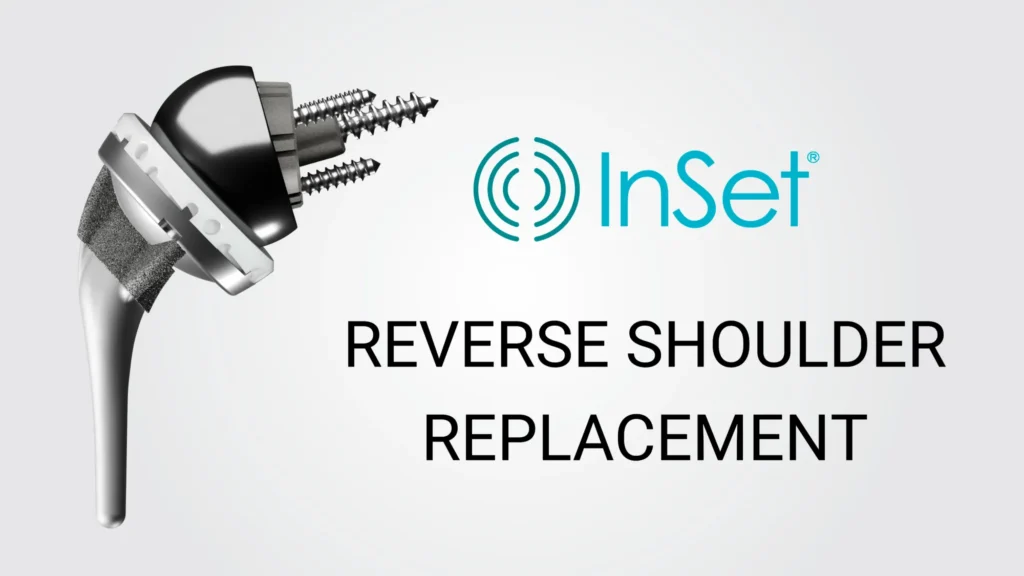
When the rotator cuff is severely torn or irreparable, a traditional shoulder replacement usually cannot function reliably. Without a healthy rotator cuff to keep the ball centered in the socket, the forces on the joint are out of balance, and the implant may not perform well over time. The reverse design shifts the center of rotation in a way that changes the shoulder’s mechanics entirely. It allows the deltoid muscle to take over and drive arm movement in place of the damaged rotator cuff.
This was a real breakthrough in shoulder replacement surgery. For many years, patients with severe rotator cuff deficiency had very limited surgical options. The reverse shoulder replacement opened a meaningful path forward for those patients.
Who May Be a Good Candidate for Reverse Shoulder Replacement?
Reverse shoulder replacement may be recommended for patients who:
- Have a large, irreparable rotator cuff tear combined with shoulder arthritis, a condition called cuff tear arthropathy (CTA)
- Have severe rotator cuff deficiency with significant functional loss, even without advanced arthritis
- Have previously had a failed total shoulder replacement in which the rotator cuff subsequently failed
- Have certain complex shoulder fractures, particularly in older patients where reconstruction is not a reliable option
In some cases, reverse shoulder replacement may also be considered when the rotator cuff is only partially intact, if the tear is large enough that a reverse design would likely provide more reliable and lasting function. Every case is different. I evaluate each patient’s anatomy, imaging, and history individually before making a recommendation.
How the Two Procedures Compare
When patients ask me to explain the difference in practical terms, I usually frame it this way: both procedures aim to relieve pain and restore meaningful function. The key distinction comes down to the rotator cuff. Total shoulder replacement works with your existing rotator cuff. It maintains the natural mechanics of the joint and depends on those tendons to function properly. Reverse shoulder replacement works around a compromised rotator cuff by changing the mechanical equation so the deltoid muscle can take on a more central role in powering the arm.
The Role of Modern Implant Technology
Advances in implant design have meaningfully improved outcomes for both types of shoulder replacement over the past two decades. In my practice, I regularly use the InSet® Shoulder System from Shoulder Innovations for both anatomic total shoulder replacement and reverse shoulder replacement.
For total shoulder replacement, the InSet® Total Shoulder System offers both short-stem and stemless humeral implant options. This flexibility allows me to select the configuration that best matches each patient’s bone quality and individual anatomy, rather than fitting the patient to a one-size-fits-all implant. The glenoid component is designed to sit more within the native bone rather than on top of it, which may help reduce certain mechanical stresses that can contribute to loosening over time.
For reverse shoulder replacement, the InSet® Reverse System provides an extensive range of component options. That flexibility allows me to tailor the implant to each patient’s unique anatomy and condition, with the goal of optimizing implant positioning and function.
I also use computerized surgical planning software, ProVoyance®, which converts a patient’s CT scan into a three-dimensional digital model of their shoulder. Before entering the operating room, I can evaluate the bone structure virtually and plan the optimal placement and alignment of the implant. This level of preoperative planning allows for detailed surgical preparation prior to the procedure and may assist with implant positioning during surgery.
How the Decision Gets Made
Ultimately, the question of which shoulder replacement is right for you isn’t something I can answer from a blog post alone. It requires a thorough, in-person evaluation. During a consultation, I review your imaging, typically X-rays and often an MRI or CT scan, assess your range of motion, go through your symptoms and medical history, and get a clear picture of what you’re hoping to get back to.
Some of the key factors that shape my recommendation include:
- The condition and integrity of your rotator cuff
- The type and severity of arthritis in your shoulder
- Your bone quality and individual anatomy
- Your age and activity level
- Whether you’ve had any prior shoulder surgeries
- Your overall health and what you’re hoping to return to doing
I believe strongly that patients should feel fully informed and genuinely involved in this decision. You should leave a consultation with a clear understanding of which procedure is being recommended and why. If something isn’t clear, ask. A good shoulder specialist will take the time to explain your options in a way that makes sense to you.
Summary
Deciding between total vs. reverse shoulder replacement is ultimately a clinical decision. It’s one that depends on your specific anatomy, the health of your rotator cuff, and what you’re trying to get back to. Both procedures have helped many patients reclaim meaningful comfort and function after years of shoulder pain. The differences between them are real and significant, but the end goal is the same: to help you feel better and move more freely.
Frequently Asked Questions
Can I choose which type of shoulder replacement I get?
To some extent, but the decision is primarily driven by your anatomy and the condition of your rotator cuff. Your surgeon should take your goals and preferences into account during the conversation. That said, the type of replacement that will perform best for you over the long term is largely determined by what’s going on inside your shoulder.
Is reverse shoulder replacement a newer procedure? Is it as well established?
The reverse shoulder replacement now has a well-established track record, and outcomes research has grown substantially over the past two decades. Like any surgical procedure, it carries risks, but for appropriately selected patients, it has been effective at relieving pain and restoring functional arm movement.
Do I need to decide right away, or can I take time to think?
In most cases, shoulder replacement is an elective procedure, meaning it’s not typically a medical emergency, and some waiting is generally acceptable. That said, delaying surgery for an extended period can sometimes lead to progressive bone loss or muscle atrophy that may make the eventual procedure more complicated. If you’re uncertain about the timing, that’s a great topic to raise during a consultation.